

Children’s TV shows just aren’t what they used to be — said every generation of adults since the advent of television. But there’s something different now. Something’s changed in the 2020s that is a much wider shift than going from Looney Tunes to SpongeBob. The content has changed with the times, of course, but the style and presentation is the biggest difference. And unlike most nostalgic arguments, this one has receipts.
I have a bit of a unique perspective here. I was born in 1992. I grew up in what I’d consider to be the heyday and peak of children’s television. Nickelodeon, Disney Channel, Cartoon Network — it was truly a golden era for live action and animated shows.
I also have a perspective from the 2010s that most people my age missed. I started dating my wife in 2010, just three months after her youngest brother was born. At the time there was a three-month-old, a four-year-old, and a three-year-old in the house. We spent a lot of time babysitting and hanging out with those kids through the decade, watching the evolution of programming in real time, before we had our first kid in 2021.
So from 2021 through today, I’ve had a deep understanding of the children’s television market through both my work as a creator in this space and my role as a father. I try to research and pick the best options for my kids — screen time is inevitable no matter what idealistic view you have of raising a child before you actually have one. I want to make it count. And more often than not, I find myself putting on older programming because most of the new stuff just doesn’t cut it.
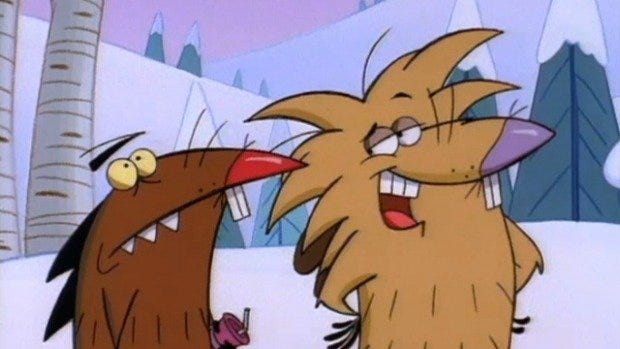
Growing up, I watched animated shows like Angry Beavers, Dexter’s Laboratory, Rugrats, SpongeBob, Hey Arnold, Doug, KaBlam!, Recess, Ed, Edd n Eddy, and Rocko’s Modern Life. I watched live action shows like Even Stevens, All That, Kenan and Kel, Drake and Josh, and Lizzie McGuire, and game shows like Figure It Out, Double Dare, GUTS, and Legends of the Hidden Temple. Tell me that wasn’t a golden era of children’s TV programming. It’s a hill I am willing to die on.
Those shows were insane. Silly. Completely irreverent at times. It all explains my current sense of humor and why I love comics like Nathan Fielder, Tim Robinson, and Tim Heidecker — weird, funny, and completely off the wall. But they all had something even more important in common: the pacing and the way they were shot and edited.
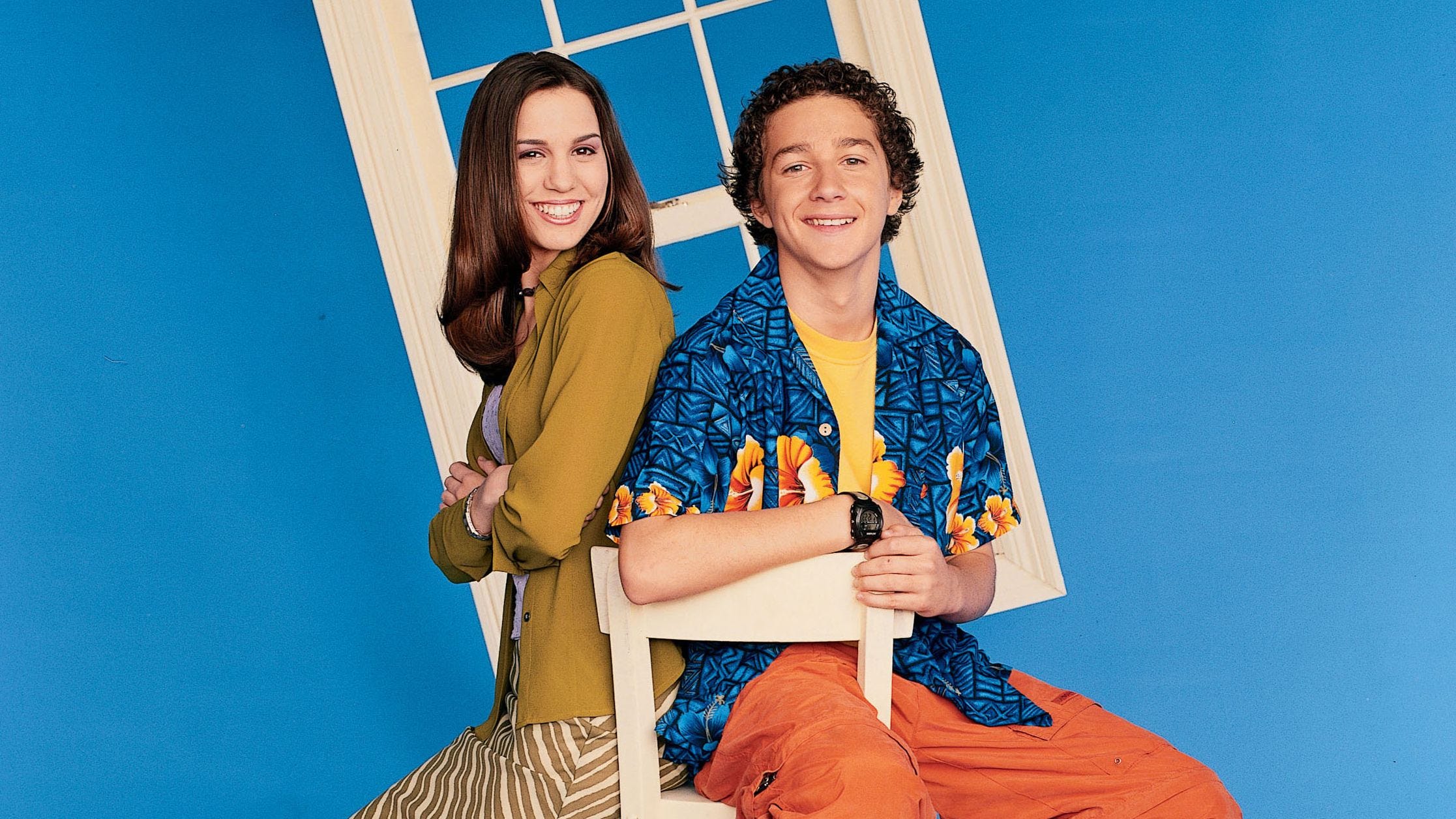
Even Stevens was revolutionary for kids. It was a multi-camera sitcom shot well in realistic set pieces and real environments. Lizzie McGuire was the same way, as were Kenan and Kel and Drake and Josh. All That was a sketch comedy show for kids — an adult concept adapted for a younger audience, but presented in a way that didn’t baby the viewer or treat their brain as lesser than. These shows challenged you to keep up, told real stories with multi-episode timelines, and entertained while teaching. The cinematography was exceptional at times. There was real effort put into these shows, the same kind of effort going into the major sitcoms on ABC, CBS, and NBC.
The animated shows felt the same way. Crazy visuals, genuinely insane plots — but no cuts every three seconds. No constant need to overstimulate. The jokes had a setup and a punchline, not just some brainrot meme that could be dropped into any situation for a cheap reaction. The show runners treated kids like they had a brain.
Think about some of those shows and their themes if you grew up in this era. The Rugrats Passover episode was a masterpiece. The SpongeBob Hash-Slinging Slasher episode was a major reason I grew up to love horror media. It was genuinely great television. This was real storytelling, and the people making these shows understood exactly what they were doing.
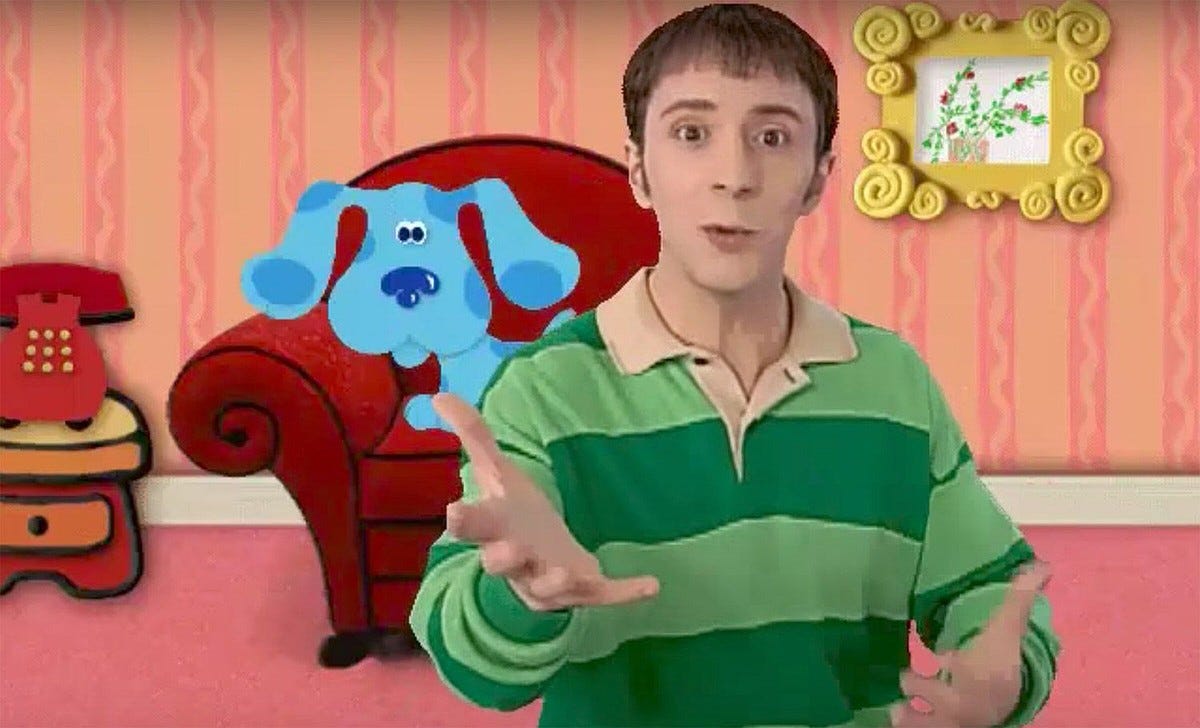
Blue’s Clues, which premiered in 1996, is probably the best example of how seriously the good ones took this responsibility. The pacing was completely deliberate, with pauses calibrated to be long enough for the youngest viewers to think, but short enough that older kids wouldn’t get bored. That style came from actual developmental research. Fred Rogers did the same thing, meeting regularly with his mentor, renowned child psychologist Margaret McFarland, to make sure every script authentically reflected the real concerns and feelings of children. These creators had researchers in the room. They cared about what was going into kids’ brains because they understood that television was powerful — and that worked both ways.
As the 2000s rolled into the 2010s and social media and YouTube started to rewire how our brains consumed entertainment, the shows changed with them. They got faster. More cuts. Less storytelling. Less impact. Like everything else in that era, it started to feel like content instead of television. It was becoming disposable. Disney started casting influencers in their shows for clout. The attention economy ate the programming room alive. Don’t get me wrong — genuinely talented people came out of this period. Sabrina Carpenter, Zendaya, Keke Palmer, and Olivia Rodrigo are all superstars. But they were the good among a lot of bad changes in the industry.
The 2020s continued this trend and then floored the accelerator. YouTube became the dominant platform for children’s content and it was built on a completely different philosophy than anything that came before it — fast cuts, animations in your face, loud noises — it was about distraction and consumption instead of entertainment and story. The goal was not to tell a great story. The goal was to get kids to watch the next one. YouTube’s algorithm is engineered to maximize watch time, recommending content it predicts will hold a viewer’s attention — because longer watch times signal viewer satisfaction and push a video higher in the feed.
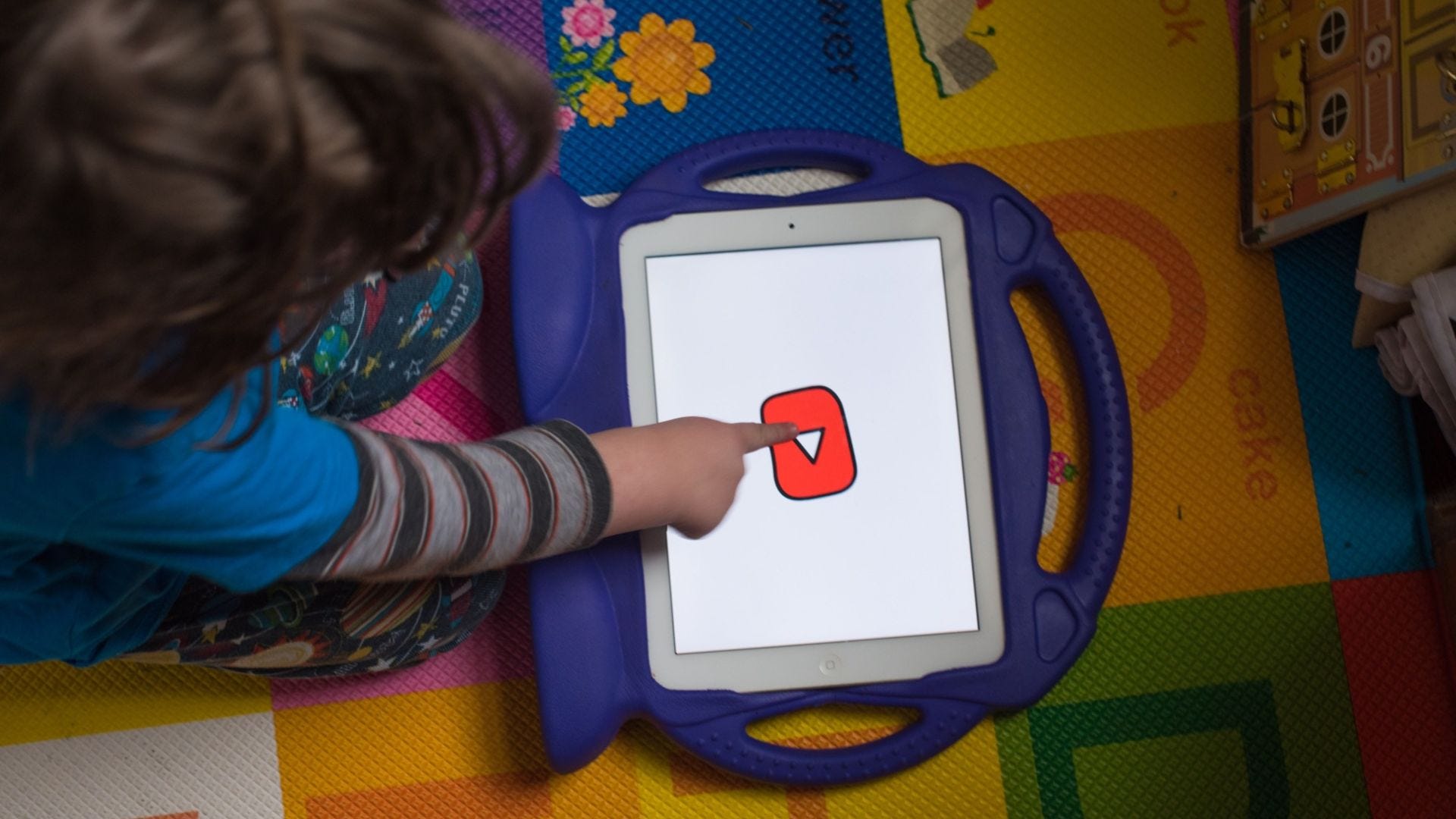
Kids no longer had three options for TV. They had thousands. One moment of boredom and they can find something else. Streaming platforms practically panic the second you hit pause, throwing five recommendations in your face and begging you to stay. And instead of creating programming that earns that attention through quality, the industry went the opposite direction, optimizing for thirty-second chaos followed by an immediate hook into more chaos.
Here’s the thing — and this is where I stop being the nostalgic dad and start citing actual science. Researchers at the University of Virginia found that just nine minutes of watching a fast-paced cartoon had immediate, measurable negative effects on four-year-olds’ executive function — including self-regulation, working memory, and the ability to delay gratification. Nine minutes. Not a four-hour tablet session. Nine minutes.
A 2024 systematic review in BMC Psychology backed this up, finding that children exposed to fast-paced programming switched activities more frequently and spent less time on tasks afterward — a pattern the researchers identified as a shortened attention span. And it gets worse: fast-paced editing and rapid scene changes reward fixed attention to a constantly changing stimulus, which means kids who watch a lot of this kind of television can become less tolerant of slower-paced activities — like reading, or learning, or just sitting still. They’re being conditioned to need the chaos.
This brings me directly to CoComelon, which I’ll say plainly is one of the worst things to happen to a toddler’s developing brain. I know that sounds dramatic. I don’t care. I would not let my kids within 100 feet of that show, but unfortunately I appear to be in the minority. The CoComelon YouTube channel has over 183 million subscribers and its videos have accumulated over 190 billion views. The company behind it, Moonbug Entertainment, tests content on young children using a device called the Distractatron — a system that monitors whether a child looks away from the main show, essentially the same feedback loop that social media platforms use to keep adults scrolling. They are literally optimizing for your toddler’s eyeballs.
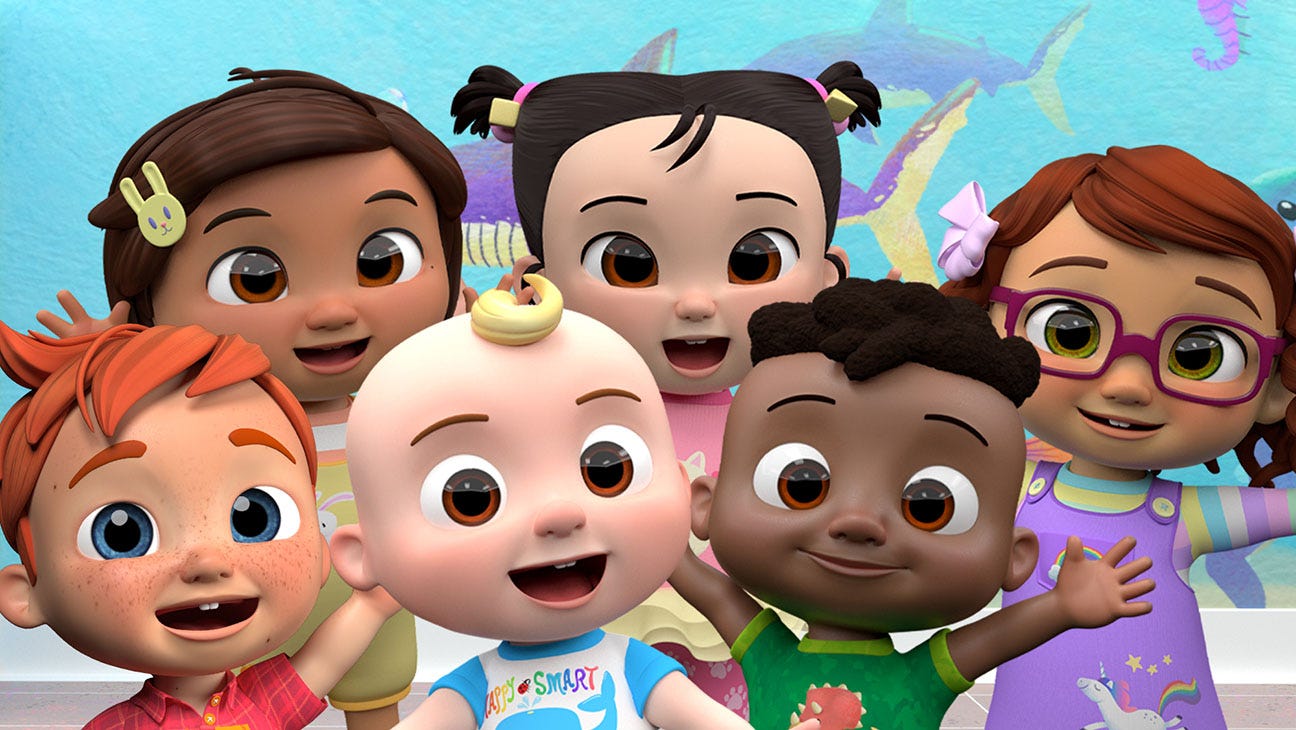
The screen shifts every one or two seconds, there is almost never a quiet moment, and the constant high-contrast animation gives kids’ brains no time to rest or process what they’re seeing. The bright colors and relentless stimulation trigger dopamine responses that can lead to addictive patterns — over time, children may struggle to play creatively or tolerate any activity that doesn’t deliver the same level of constant input. Parents aren’t imagining it when their kids melt down after the tablet gets taken away. That’s documented.
It’s not to say that Rocko’s Modern Life or KaBlam! weren’t chaotic. They were. But it was controlled chaos, and the timing was different. The younger shows from this era actually built in space for kids to participate. Blue’s Clues paused for answers. Dora the Explorer waited for responses. Bear in the Big Blue House talked directly to the child watching. Kids were invited to be part of the show. Now the kids — mostly their eyeballs and developing brains — are just the product. Viewing hours and engagement metrics. No real interaction required.
Luckily, there are still people making children’s television the right way. Bluey is genuinely great, and my kids are proof of it. Unlike most modern children’s shows that lean on fast-paced editing and non-stop action, Bluey uses soft colors, natural dialogue, and moderate pacing to create a calming experience that fosters comprehension and emotional engagement. Researchers recently analyzed all 150 episodes from the first three seasons and found that nearly half included a clear resilience message — covering emotional communication, problem-solving, self-regulation, and empathy.
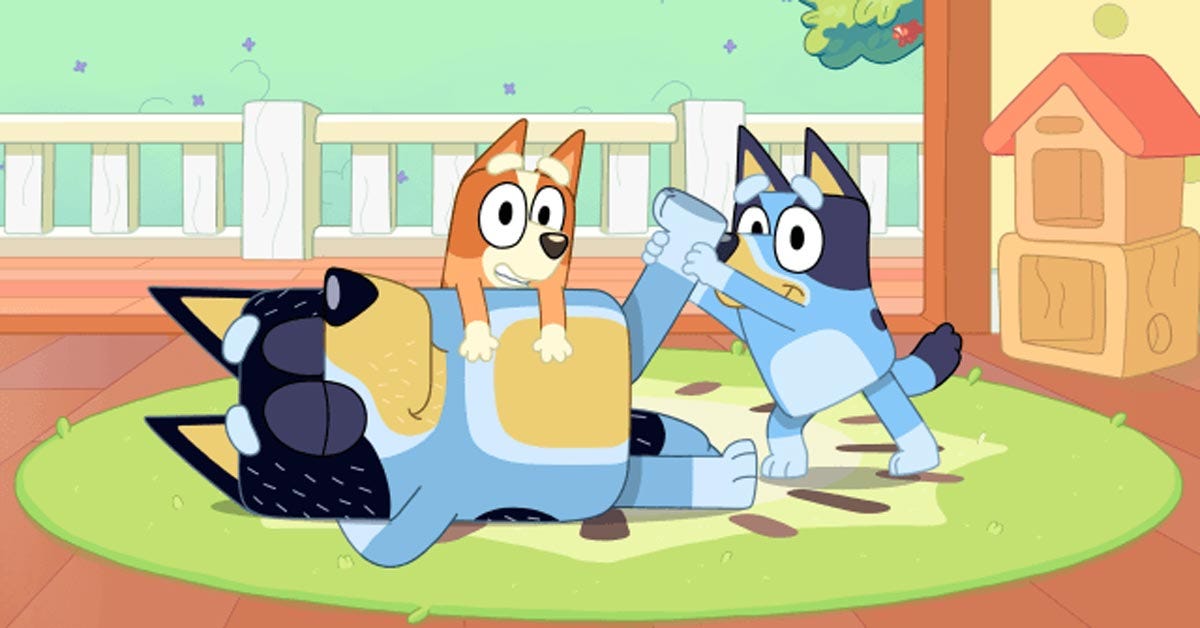
That’s a show made with intention by people who view kids as more than revenue streams. It also became the most-watched program in America in 2024 — not just among children’s shows, all shows, with 55.62 billion minutes watched on Disney+ and 143 consecutive weeks in Nielsen’s streaming ratings. So parents know the difference when they see it, and they will support these shows!
Trash Truck on Netflix is genuinely great. Lucas the Spider is wonderful. PBS Kids is still doing incredible work with animated programs like Carl the Collector, Secret Museum, Daniel Tiger, Wild Kratts, and even live action shows like The Odd Squad which gives me serious childhood flashbacks. Ms. Rachel was transformative for my son who had speech delays. And YouTube isn’t entirely without value — there’s a tremendous archive of older programming preserved there, and legitimately educational channels do exist if you look for them.
My kids watch Bear in the Big Blue House, Dragon Tales, and The Magic School Bus. They love Bill Nye, Crocodile Hunter, and Little Bear. They’re already into the 1990s Teenage Mutant Ninja Turtles and they’ll go through every era of Scooby-Doo before we’re done. And I see the difference in how they engage — their attention, their retention, what they bring up days later. These shows were built by teams who understood how to entertain and challenge a child’s developing brain at the same time. That’s not nostalgia. That’s just a higher standard that we’ve largely abandoned.
I’m not as familiar with what’s happening in the 8–13 demographic these days since my kids are younger, but I’d guess it’s much of the same. What I know for certain is that more teenagers watch YouTube than anything else, and Mr. Beast isn’t doing a single thing to further a kid’s education or inspire them with storytelling. He’s selling views and chocolate bars. And kids eat it up — literally.
So something has clearly shifted. It isn’t for the best, and I genuinely fear that too many parents are missing how much the media their children consume actually matters. A study examining what infants and toddlers were actually watching on YouTube found that less than 6% of videos in the sample contained any learning goals whatsoever. Less than six percent. And that’s the platform that now dominates children’s screen time.
Do I want regulations for children’s programming? No — free speech is free speech, and I tend toward the libertarian end of that argument. You should be able to do what you want and make your own choices. But consequences don’t disappear just because we don’t legislate them. It’s up to all of us as parents, as people working in the entertainment space, and as advocates for the generation that’s currently sitting in front of these screens to talk about this problem loudly and vote with our time and our wallets.
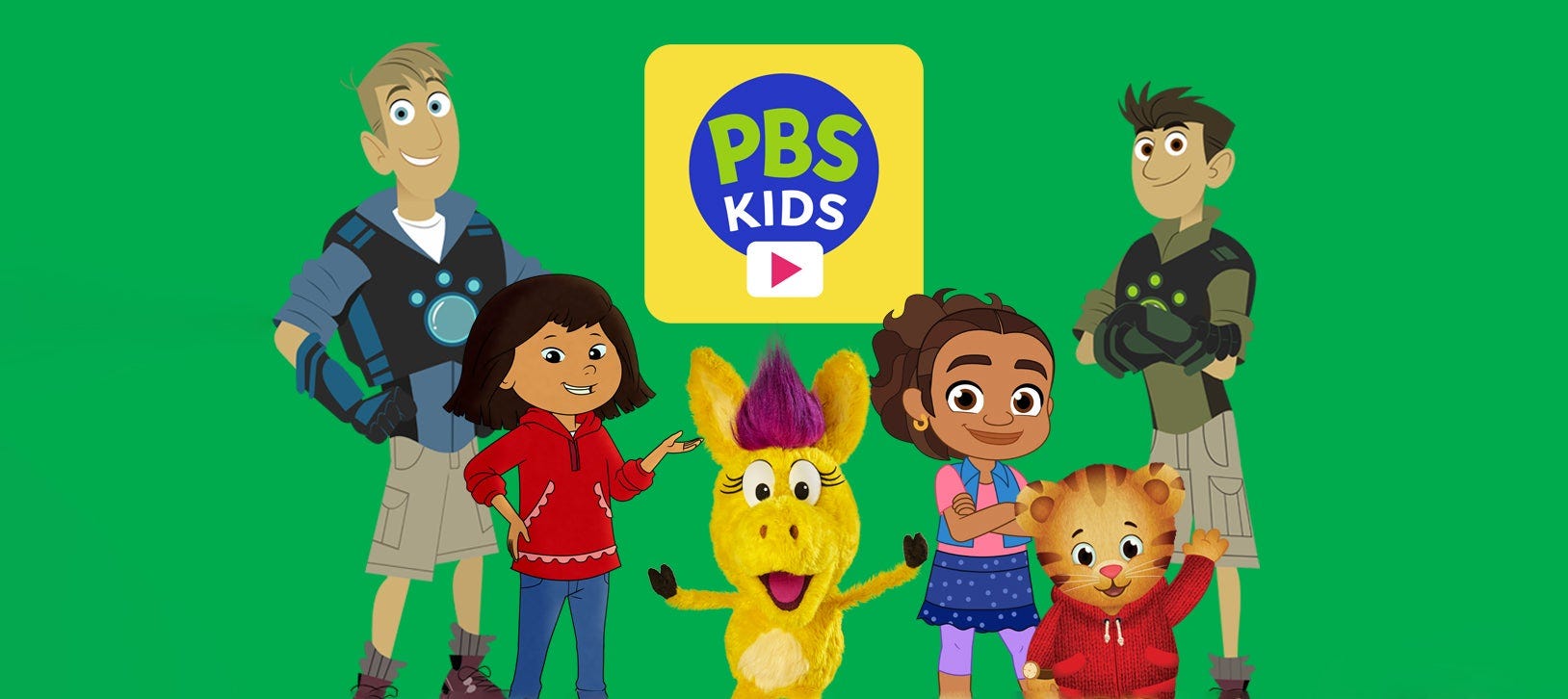
Support the programs that get it right. Support PBS Kids. Find the educational YouTube channels that are built on actual research. Go to the library and pick out a DVD. Go to the thrift store and find some movies and shows your kids have never seen. Sit with them and watch. Ask them questions about what’s on the screen. Research shows that when parents watch alongside their kids, those shows become active teaching tools — turning passive viewing into conversation.
Kids can watch TV. They can learn from it. Screen time is not the devil. What’s on the screen is either working for your child’s brain or against it, and right now the industry’s incentives are almost entirely pointed in the wrong direction. The golden era of children’s television proved that you could do both — entertain a child and respect the brain that was watching. We just have to demand that standard again as a society.
What are your kids watching? What shows from your childhood do you still put on? Drop it in the comments — I’d genuinely love to know.
This newsletter is always free. If you want to support the work and help me keep writing pieces like this, becoming a paid subscriber means the world.
Bluey is a bright light in a dark time. And it accounts for 29% of total watch time on Disney+, which is probably the most insane stat I've ever heard.
Very important topic! I'm appalled by the behavior I see in little kids.
Unfortunately, these programming changes are affecting adults too. I've gone through a phase of watching "slower paced" media to get my attention span back, and I'm 51.