

This week PlayStation put out two announcements that should worry everyone about the future of physical media and consumer rights.
First, PlayStation is deleting over 500 movies from people’s libraries, movies people paid $20 to “own”. Those people are simply losing access with no refund and no recourse because a licensing deal expired. And starting in January 2028, PlayStation has announced that they are ending physical disc production for new games entirely.
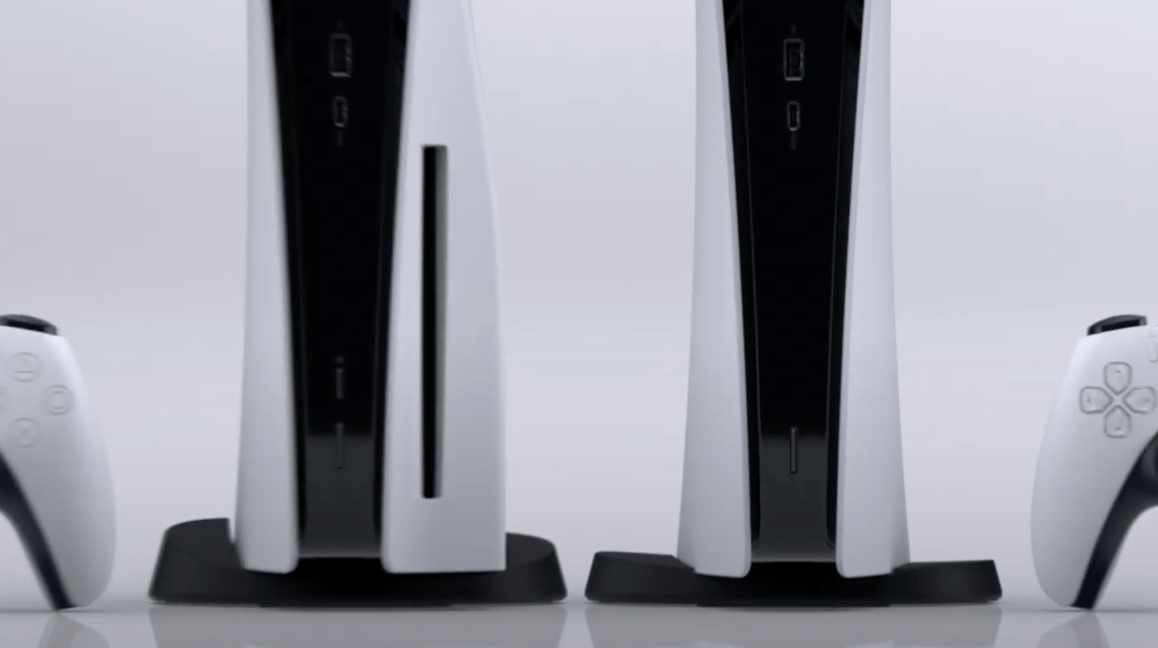
These are two different announcements, but they’re really saying the same thing. Physical media is disappearing, and what’s replacing it isn’t ownership. It’s an unlimited rental with no consumer protections. There today, gone tomorrow.
So what does the future of physical media actually look like? I think there’s a real answer here, but it starts with understanding why physical media still matters in the first place.
The Myth of Digital Ownership
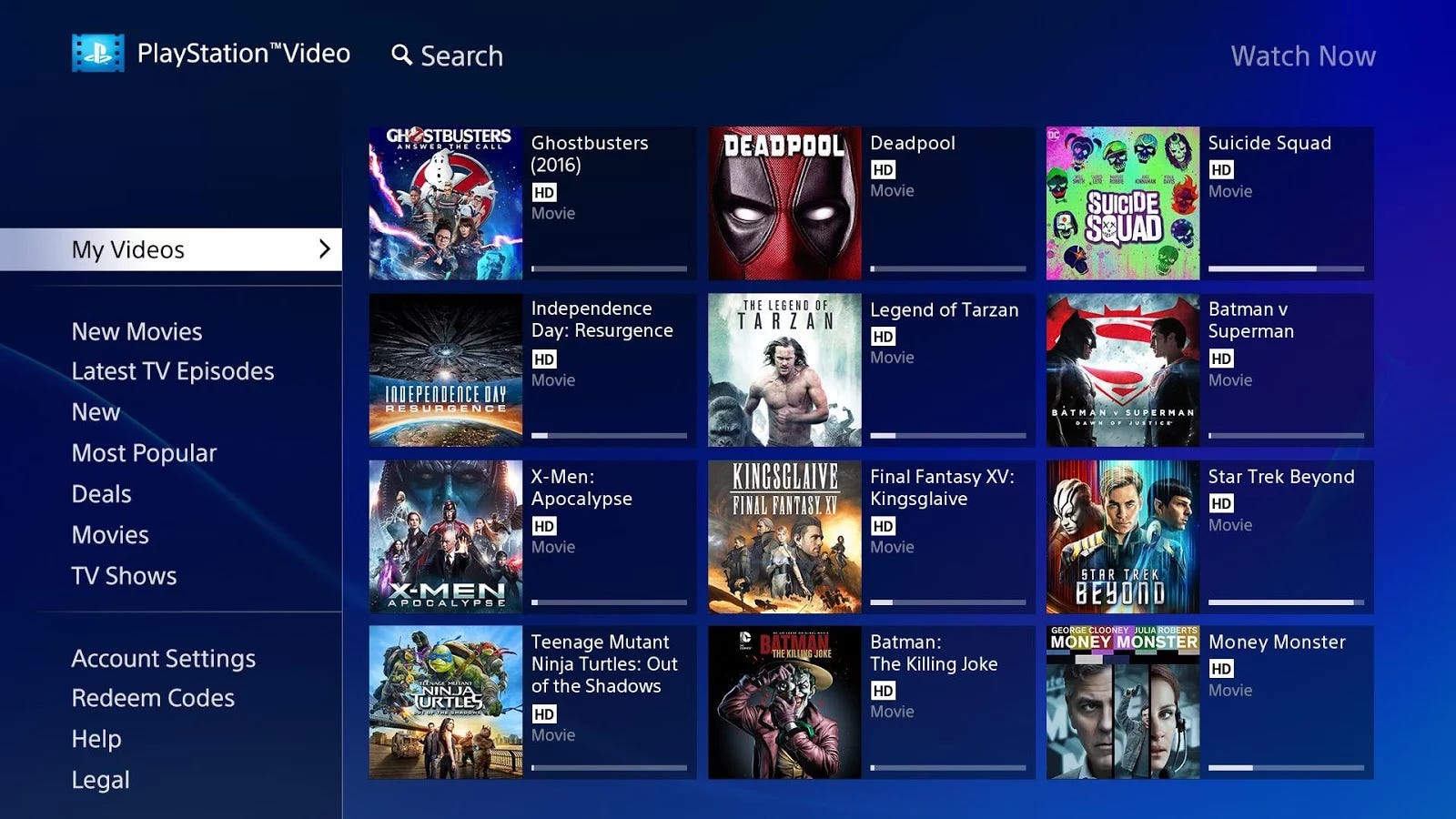
When you buy a digital movie or game, you’re not actually buying it. You’re buying access to it for as long as the platform decides to keep it available. Five hundred movies missing from people’s digital libraries just proved that. People paid full price for those titles, and PlayStation can take them back whenever they want, because you never owned them to begin with.
Consumers already sense this, even if they can’t fully put it into words. Look at what happened when GTA VI got announced last week. There was a lot of backlash online when people realized there was no disc, and Rockstar came out and said there would be a “physical edition.” Here’s the problem. That physical edition isn’t a physical copy of the game. It’s a box with a download code inside it. So the “physical” version is a piece of plastic and a code, nothing you could hand to a friend, resell as an actual game, or play without an internet connection to redeem it. That’s not physical media, that’s digital media wearing a costume
There’s some irony in it too. Go back and find PlayStation’s old ads mocking Xbox for being too restrictive and too digital, the ones where Sony bragged about how easy it was to just hand a physical PS4 game to a friend, no logging in, no digital gatekeeping required. That was PlayStation’s whole pitch against Xbox’s restrictions on used games and their “always online” future. Now PlayStation is walking straight into the thing they used to make fun of.
Why Digital Only Media Puts Preservation at Risk
Here’s what worries me more than any single deleted library: media that only exists on a server can disappear completely, and it already has.
Remember PT, the Silent Hill playable teaser from 2015? It was huge. When the Silent Hill game it was teasing got cancelled, PT got pulled from the PlayStation Store, and you cannot legally access it today. No disc, no download, nothing. It’s just gone.

There’s an argument that media is more at risk of being lost now, in the digital age, than it was when we had nitrate film reels that could spontaneously catch fire, or paperback books, or CDs and cassette tapes sitting in a box for thirty years. A digital file is just a file on a server, and if that server shuts down, it’s gone with it. I have music I can only find on YouTube or SoundCloud, and if those platforms disappear tomorrow, that music disappears with them, because there’s no physical backup anywhere.
It’s the same story for movies, games, and books, every type of media we’ve pushed fully into the cloud. We’re one corporate decision away from permanent gaps in what we’re able to watch, hear, play, or read, and most people won’t think about it until it happens to something they actually cared about.
The Problem With Going All In on Physical
So physical media protects you from a server disappearing and maintains your rights as a consumer to the purchases you make. But physical media comes with its own two problems, and neither one is small.
The first is environmental. A study from Greenly, a French carbon accounting firm, found that manufacturing and shipping one million physical game discs produces about 312 tons of CO2, while one million digital downloads of that same size game only produces about 3 tons. That’s roughly a hundred times more carbon intensive for physical discs than for digital downloads, and at the scale these companies operate, that difference adds up fast. Plastic cases, rare earth metals, global shipping, all of it costs something to the environment. Digital isn’t free either, it just moves the cost somewhere less visible, like a data center burning electricity instead of a container ship burning fuel. But there’s no getting around the fact that physical production and shipping leaves a much bigger carbon footprint than a download does.
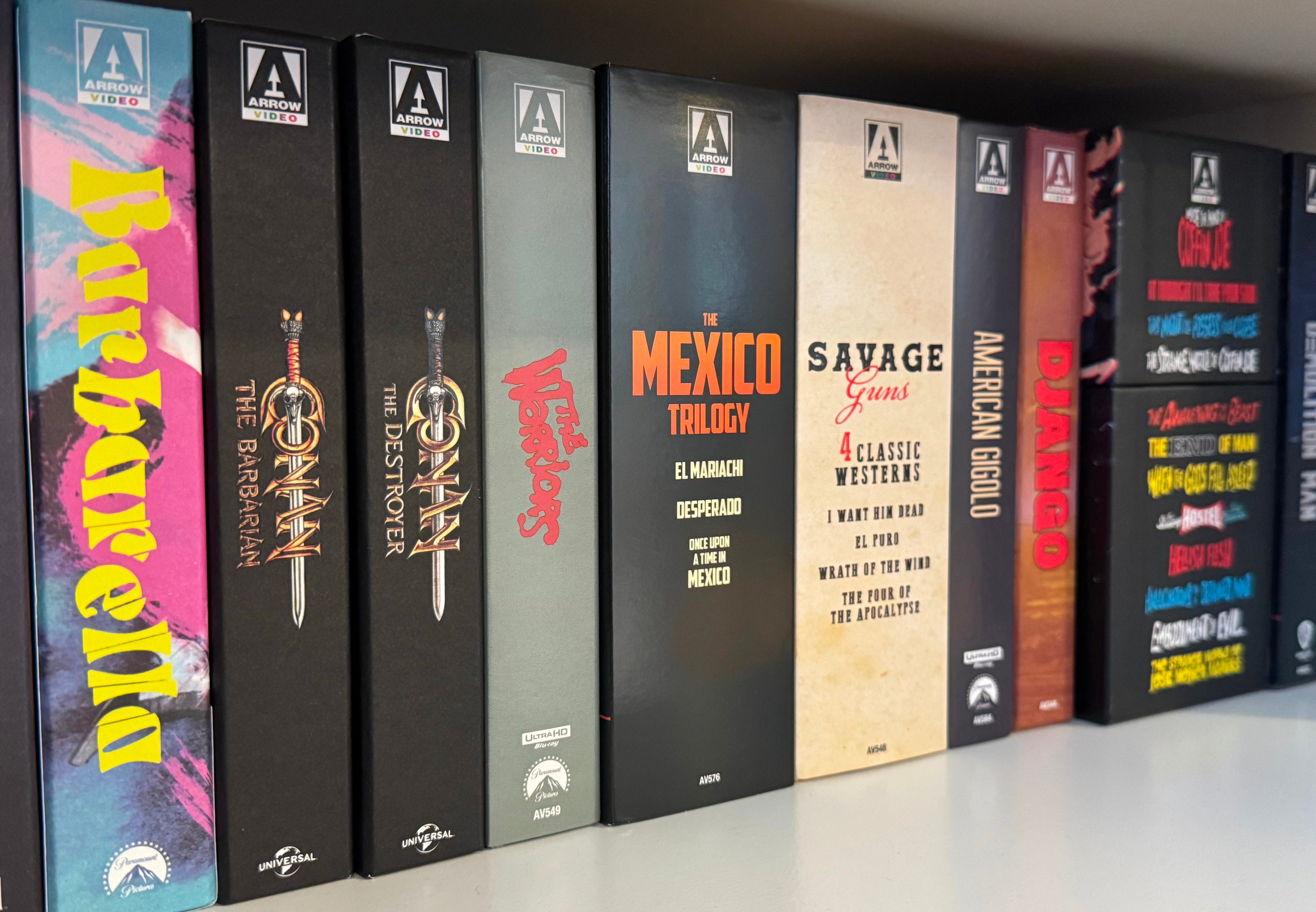
The second problem is just practical. Physical media takes up space, and a lot of it. I have thousands of physical movies in my house, and thousands more in binders. I can tell you firsthand that storing physical media is a genuine task. It’s rooms, closets, shelves, and storage units full of discs for some people. We have entire systems built around organizing and protecting discs that scratch, warp, or grow mold if you’re not careful with them. Multiply that by everyone who wants to own their movies, games, music, and books the way I do, and you start to see why the industry keeps pushing everyone toward digital. Committing to physical media ownership costs space, money, and lots of time.
So we’re stuck between two problematic defaults. Fully digital means you own nothing and your media can vanish the moment a company decides to pull it. Fully physical means a bigger carbon footprint and a storage problem that gets worse every year you keep collecting. Neither one is perfect, and I believe there is a middle ground where we can have the best of both worlds.
So What’s the Solution?
I don’t think we have to choose between owning nothing and drowning in plastic discs. I’m not a technologist, I don’t have the engineering answer laid out, but I do think we already have the technology to find a real middle ground here. The industry just hasn’t been forced to build it yet.
One option is some kind of platform agnostic ownership key, a physical code tied to a unique identifier, kind of like an NFT but without the nonsense that made NFTs a punchline. You’d still buy through a platform or marketplace. The platform still gets paid and the publisher still gets paid, but the actual record of ownership would live outside any one company’s server. That ownership would travel with you across platforms, and nobody could just delete what you already paid for.
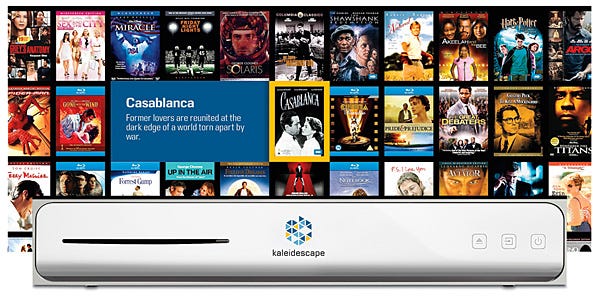
Another option looks something like Kaleidescape, a home media server that lets you download the highest quality version of a film directly to a device you own. No disc required and no shelf space needed. That gets you disc level audio and video quality without needing a house full of plastic cases. But Kaleidescape isn’t the full answer either. The media unit alone runs from $3,000 to $5,000, storage is limited, and availability depends on what studios decide to license to them. And at the end of the day it’s still a platform, so if Kaleidescape goes under (which happened in 2016), there’s a real question about what happens to the movies you already paid for through them. That’s the same fragility we’re trying to get away from, just with nicer hardware.
There’s also the format question itself. A Nintendo Switch cartridge is tiny, and yet it still ships in an oversized case. We already have microSD cards that hold a terabyte of data. There’s no reason we couldn’t shrink physical ownership down to something the size of a house key that holds an entire collection. It is still yours, still tangible, still not something a company can delete on a whim, and small enough that storage stops being the burden it is today.
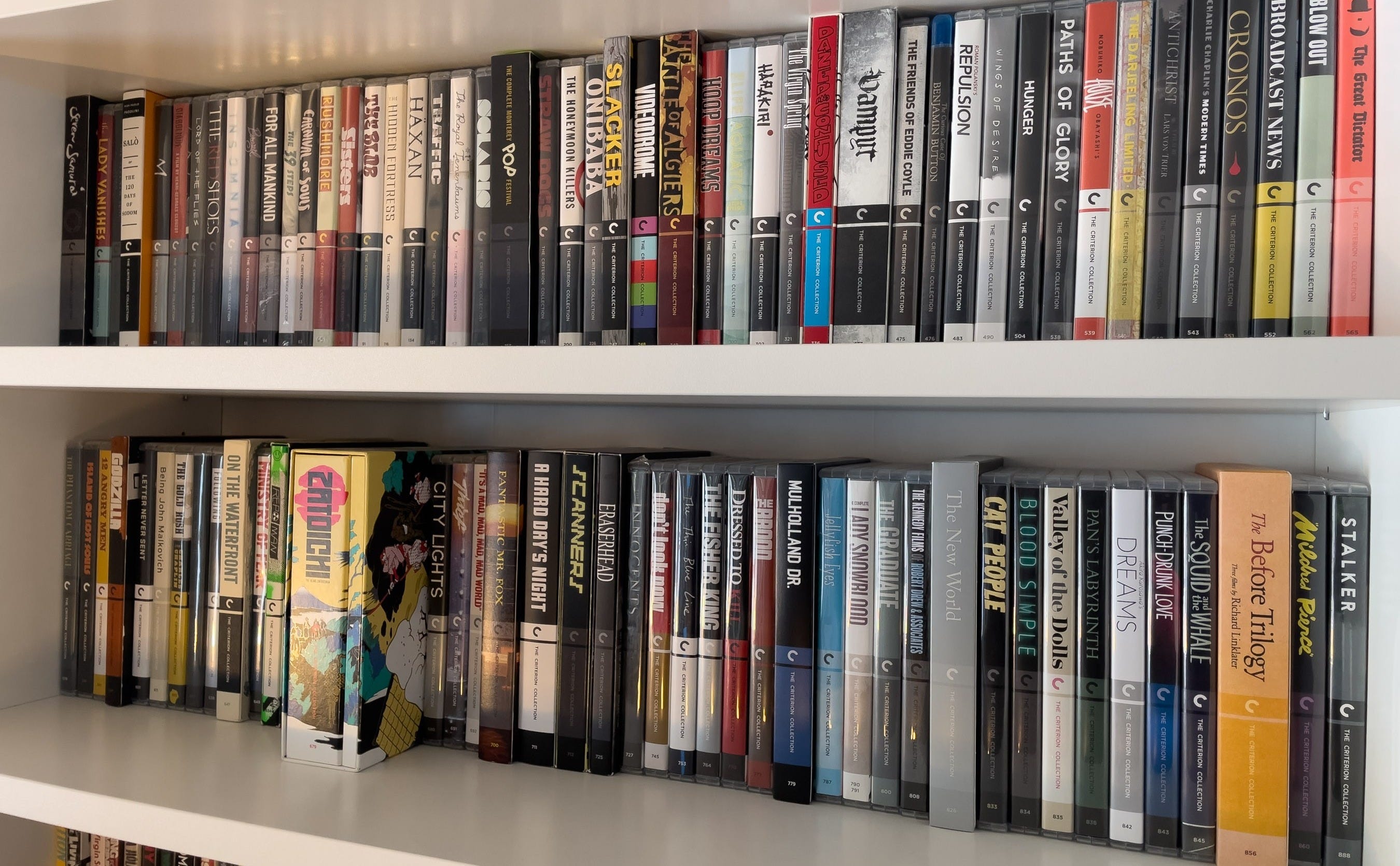
As someone who collects, I don’t need a disc and a case for every single title I own. I want that for the ones that matter — the limited editions, steelbooks, and the movies I actually love and collect. I don’t need packaging for the other five hundred movies my kids watch on a random Tuesday. Right now those are in a binder full of loose discs, and it could just as easily be one drive, holding everything, taking up almost no space, and still belonging to me.
People are already building versions of this themselves with NAS systems, and yes, through piracy too. It works, but it’s expensive to set up, technically complicated, and easy to mess up if you don’t already know what you’re doing. None of that is consumer friendly. What the industry needs to do is build the legitimate, simple version of what people are already figuring out on their own.
What Consumers Can Do Next
I’m not naive about who actually solves this. Corporations aren’t going to fix any of this out of goodwill. If you think lower emissions or your ownership rights are ever going to outweigh their bottom line on their own, you’re lying to yourself. Nobody at PlayStation is losing sleep over PT being unavailable, and nobody there is losing sleep over your five hundred deleted movies either.
This only changes if consumers make it change. That means pushing for expanded digital rights and changes to DRM laws. We need to normalize the right to make backups of media you’ve actually purchased, the same way ripping a CD you owned used to be completely normal. Normalizing that will lead to easier digital backups without jumping through hoops to setup MakeMKV and an NAS and all the other workarounds it requires now.
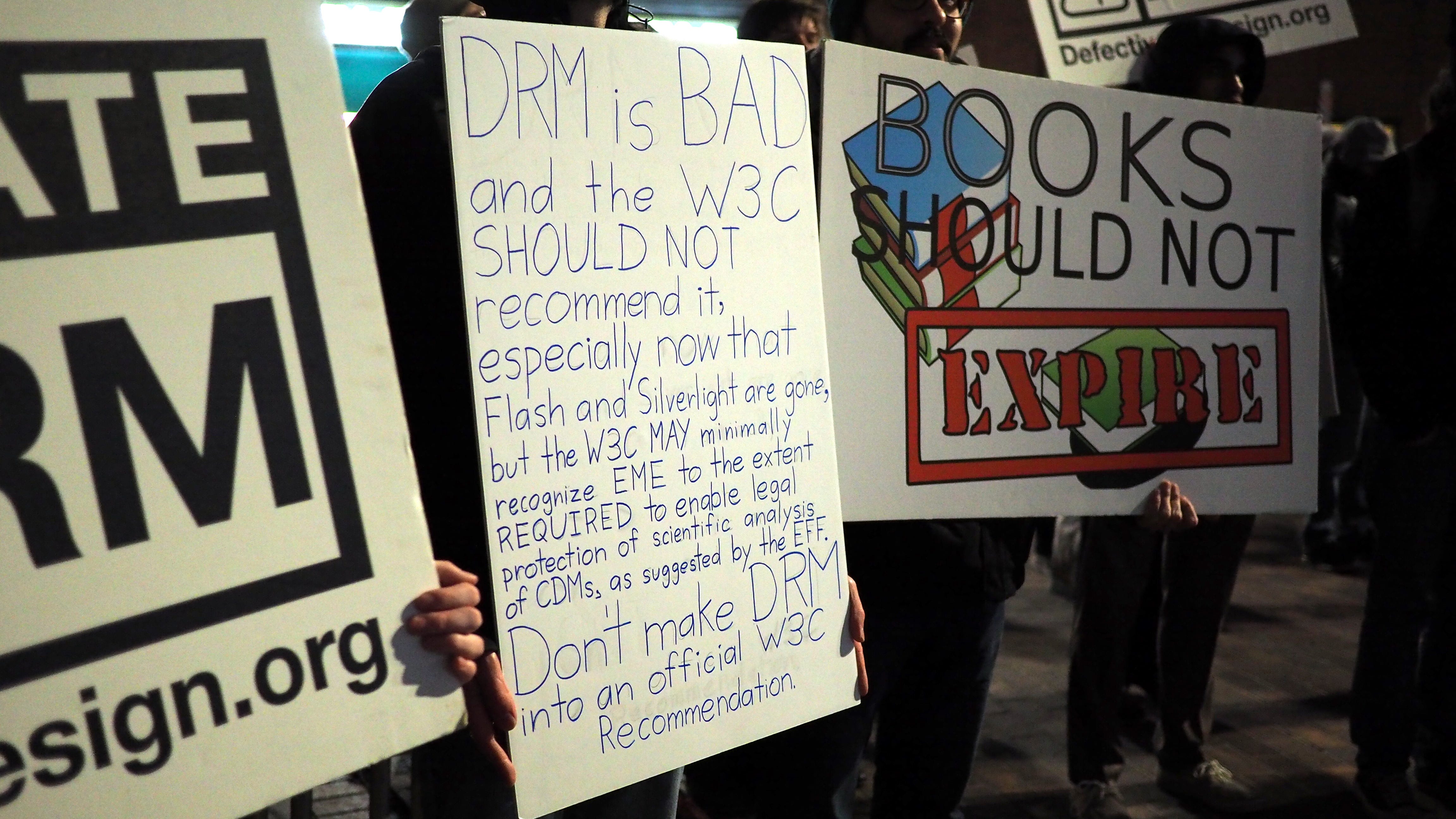
It means rejecting the idea that a purchase can just be quietly taken back. Consumers have rights, and a purchase should be a purchase for life. It means demanding formats that respect the planet and the customer at the same time, instead of whichever option is cheapest for the shareholders.
There’s a version of the future where all of this works. Where you own what you pay for, where that ownership doesn’t depend on some server staying online forever, and where getting there doesn’t require shipping a warehouse of plastic across the ocean every time. The technology already exists. Nobody’s building it yet, because as consumers, we aren’t making them.
In five years, who knows what games, music, books, or movies will actually still be in our libraries. We deserve control over what we paid for. It’s time we started acting like we care, and pushing back against these changes. We can do better.
Great article. For me, I'll continue to support physical media as long as its around. "Buying" online movies and then losing access to them isn't fair to the consumer (especially since the consumer thinks they purchased the movie--it's only buried in the TOS that you're only renting it).
I'll be curious to see what the future will bring. But I still have Atari 2600 games that I can play and it's been 40+ years. Each year my kids and I have a blast playing the old games.
I'd be fine with smaller footprints for physical media or online content that you actually own (and can port to another platform). I don't see companies going down this path, but maybe things will change.
These are all good ideas, but the recent James Bond 'revisions' have convinced me I need hard copies of anything I really want to keep.
But they were done to remove racism, and would never be used for evil purposes. Sure...