

I am not a good movie critic. I am terrible — because I enjoy movies too much. My biggest criticism of any movie would be that it is boring. It can be technically brilliant, maybe it tells a great story, maybe the acting is phenomenal, but if it is boring? Then it is not a good movie. If it is fun and entertaining, and maybe doesn’t have the best performances or technical merit? That is still a good movie — because it entertained me, and that is the purpose of the art form.
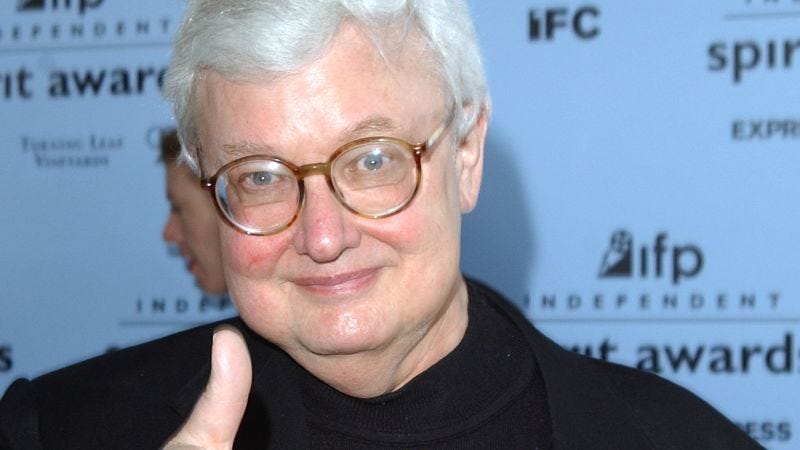
Roger Ebert said it best. In connection with his love for many genres, he talked about rating a movie according to its “generic expectations.” It translates like this: “The star ratings are relative, not absolute. If a director is clearly trying to make a particular kind of movie, and his audiences are looking for a particular kind of movie, part of my job is judging how close he came to achieving his purpose.”
I agree with that one hundred percent.
If you look at my Letterboxd, you will see a lot of high rankings. A 5-star slasher movie that I loved is not on the same level as The Godfather. I feel like that should be obvious for most film lovers. I rated Super Mario Bros. Galaxy a 3.5. My kids loved it, it was visually impressive, it kept their attention, and they had a ton of fun. So that is a great kids movie. It did its job. But if I also rate something like National Lampoon’s Vacation a 3.5 as a live action adult comedy from the 80s, those ratings are not equal. Everything has to be judged within the context of the genre, the era, and the intended impact.
Without context, what is art anyway? All art is created with context and none of it exists in a bubble. Cave paintings are fantastic pieces of art and history in the same way that Picasso and Monet are. You can’t hold a cave painting up against a Monet and call it trash. I am sure that there are cave paintings that are better than others — but you can never compare them to modern artistry. The context is everything.

So what makes a bad movie? In my eyes, it is a movie that fails on the simple goal of all movies: to entertain or expand my knowledge. This could be intentional, or unintentional based on audience reactions. If the movie fails to do any of that, it is a bad movie. But take a movie like The Room for example. Historically known as one of the worst movies ever made. But can it be a bad movie if it sells out screenings 20 years after its release? If it inspired a best selling book and then a movie based on that book, all about the making of this “bad” movie? It is one of the most well known and quoted movies in the world of film, so is it truly bad? It may have been unintentionally hilarious and become a bit of a meme, but in that context, it is hard to call the movie bad when it has become so popular.
On the other hand, I think about a movie like Solo: A Star Wars Story. That movie was about 80% complete when the studio stepped in, fired the creative team, and reshot and reworked a ton of the film. The end result was a sort of Star Wars slop — uninspired, honestly pretty boring, with its only redeemable quality being a small appearance from Darth Maul (who I think is still the coolest character in Star Wars). That movie failed because it didn’t entertain. It was boring. It was a classic case of studio interference causing a bad product. I have a feeling the original version was much better. The failure of that movie is no fault of the actors or the people who made it before they had their legs cut out from under them. But that is what makes a bad movie in my eyes. It didn’t do its basic job. It’s Star Wars! It should be fun and high energy and a great popcorn movie. And it wasn’t, in my opinion at least — but that is the important part. This is just me.
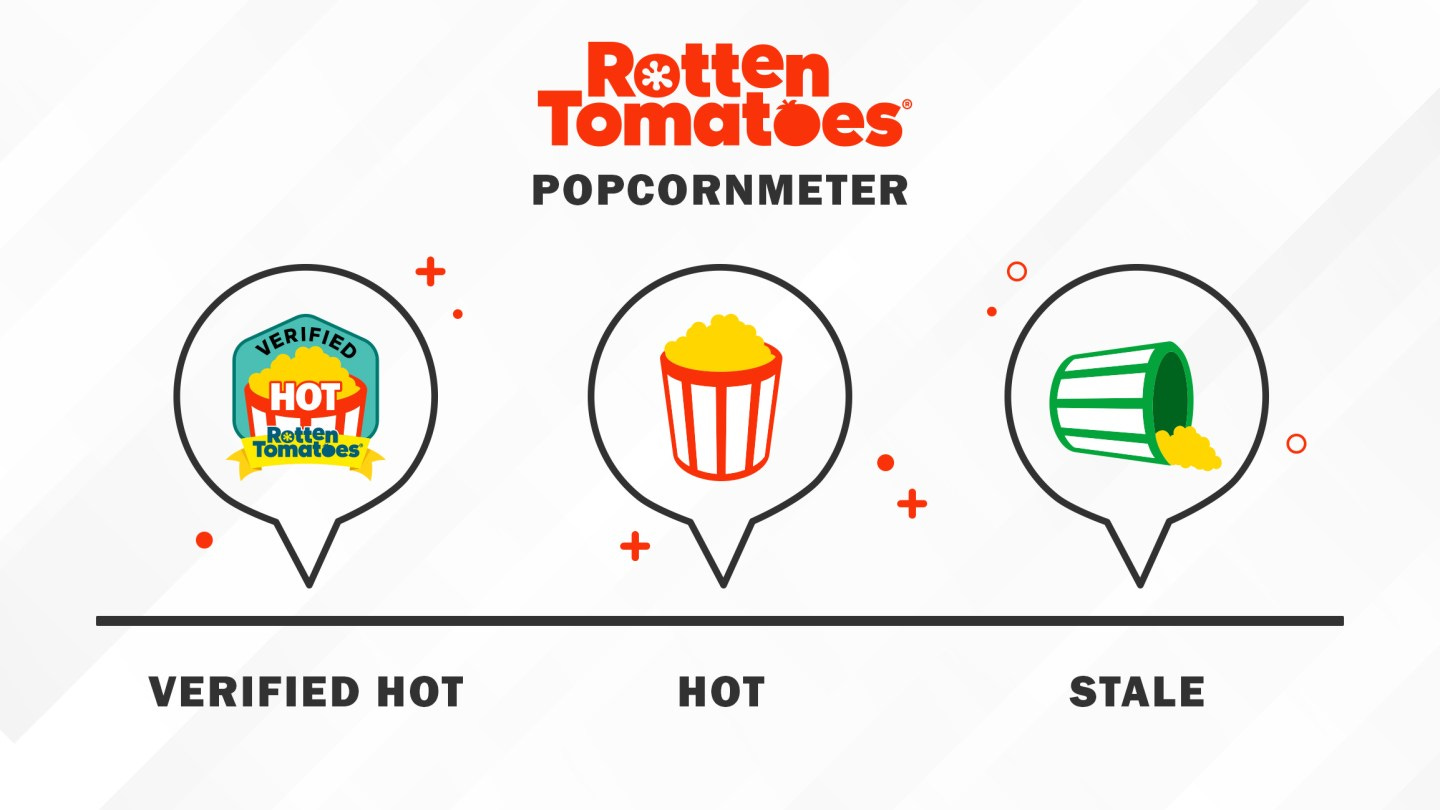
Movie reviews and ratings are completely subjective, and no film degree or decades of experience makes any opinion — including my own — any more valid than someone else’s. I think that is why platforms like Letterboxd are so valuable and why they are replacing traditional film criticism and sites like Rotten Tomatoes. It is a community aggregate score, not a score from a hundred top critics. To me, that is more valuable. Are my like-minded peers having a good time? Are the people who follow me and share my taste rating it highly? If you like my recommendations and trust my personal taste, then my Letterboxd ratings should hold more weight for you than a stranger’s — but take everything with a grain of salt and look at the entire picture.
I am not putting down critics who do the work. I am not putting down creators on social media. I am not putting down the person with three followers on Letterboxd who posts passionate reviews of their favorite films. I am putting down the idea that any of these people, in a bubble, as a singular individual, should impact your viewing habits.
What you should be mad about is anyone who puts Citizen Kane up against Friday the 13th and expects that comparison to mean something. Those films are doing entirely different things for different audiences in different time periods. To rank everything on the same scale as if it is all equal is a horrible way to write about film. Roger Ebert knew it best. I did not agree with all of his reviews, but I always knew his intention, I knew the way he judged movies, and I knew that he genuinely loved all sorts of different films. He graded with context and more than technical merit in mind. That is why he was the best to ever do it.
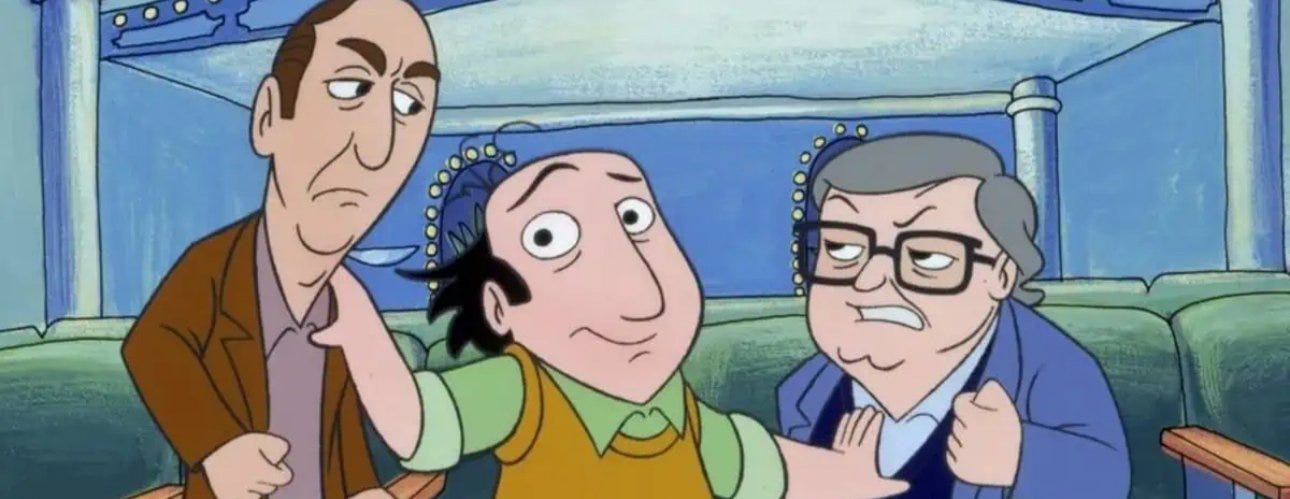
At the end of the day, you need to just watch movies and not worry about what other people think. Don’t get upset if you watch something that critics loved and you didn’t like. Don’t skip a movie because a critic said it wasn’t good. Be your own critic. Your brain is the most powerful algorithm in the world, and it is the only one that you can directly affect. Watch stuff that you think you will like. Sometimes you will love those movies, like others, hate others. But doing that is what builds your own personal context, based on your knowledge, experiences, and brain. Rely on that rather than critics.
And I say this as someone who recommends movies and talks about them every day — but I am only one source. People like me are a starting point, trying to point you in the right direction based on our own experiences. But the only way to truly know what you like, love, and despise is to watch more movies and take those risks. Try something new and different. Get uncomfortable and go outside your box. But never let someone else’s opinion discourage you from watching something. The only opinion that truly matters at the end of the day is your own.
I love this piece. You have no idea how many times I talk movies with a friend and get hit with "Well Rotten Tomatoes says that it's bad" and I just completely disengage from the conversation... you are the judge, don't let the algorithm tell you what you should like and not like! We would be living in such a boring world if we all loved the same things.
I'm of the notion that there's an audience for every, single bit of cinema released. I never pan a film, but also try to feature those that move me and speak to themes I'm passionate about. The best thing about art is that it's so varied and inconsistent. I hope it always remains that way and that creatives find ways to buck tradition, around the loudest critics and into the hearts and minds of those in search of their particular vision of this circus we call life. I know some of my favorites would be considered real stinkers if judged by some of the most discerning voices in the arena. Great read, thanks for sharing.