

I started collecting and buying movies about fifteen years ago, just as streaming ramped up and sales of physical movies started to dip. I bought many of them at thrift stores and used media shops. For most of that time, I had the movie section entirely to myself. I would pay a couple of dollars for great movies and TV shows, and there wasn’t a soul in sight alongside me.
That is not what it looks like anymore.
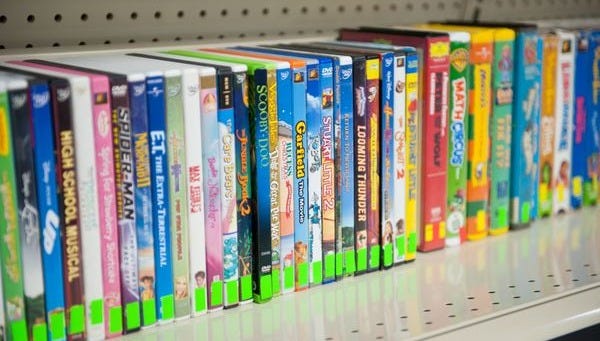
Now every time I go there are people, usually from generations like Gen Z or younger millennials like myself, filling carts with VHS tapes, hunting for Blu-rays, and flipping through DVDs. The other day I watched a kid who could not have been more than 20 pull out a classic orange Nickelodeon VHS tapes and hold it up like it was treasure. I know that is just anecdotal evidence, but when something you have been doing alone for over a decade suddenly has a crowd, you start paying attention.
It turns out that some of the numbers back it up.
According to the Digital Entertainment Group, 4K Blu-ray sales in the United States rose 12 percent in 2025 compared to the year before - the first year of growth since 2018. The overall physical media market is still contracting, but the rate of decline slowed dramatically from a 23 percent drop in 2024 to about 9 percent in 2025. The premium, media market is actually growing even faster. Steelbooks, the limited collector-friendly metal cases that have become the holy grail for serious movie buyers, saw sales jump 25 percent from 2023 to 2024.
These are not people passively picking up a movie they sort of want - those days are gone with digital rentals and streaming. These are intentional, deliberate purchases from people who care about owning something physical and permanent.
The used market tells a similar story, except it is almost impossible to track. Every Goodwill, every pawn shop, every Facebook Marketplace listing, every Whatnot live stream where someone is selling stacks of media on camera while people bid in real time - none of that shows up in the DEG report. But if you spend any time in those spaces, as I do, you know it is booming.
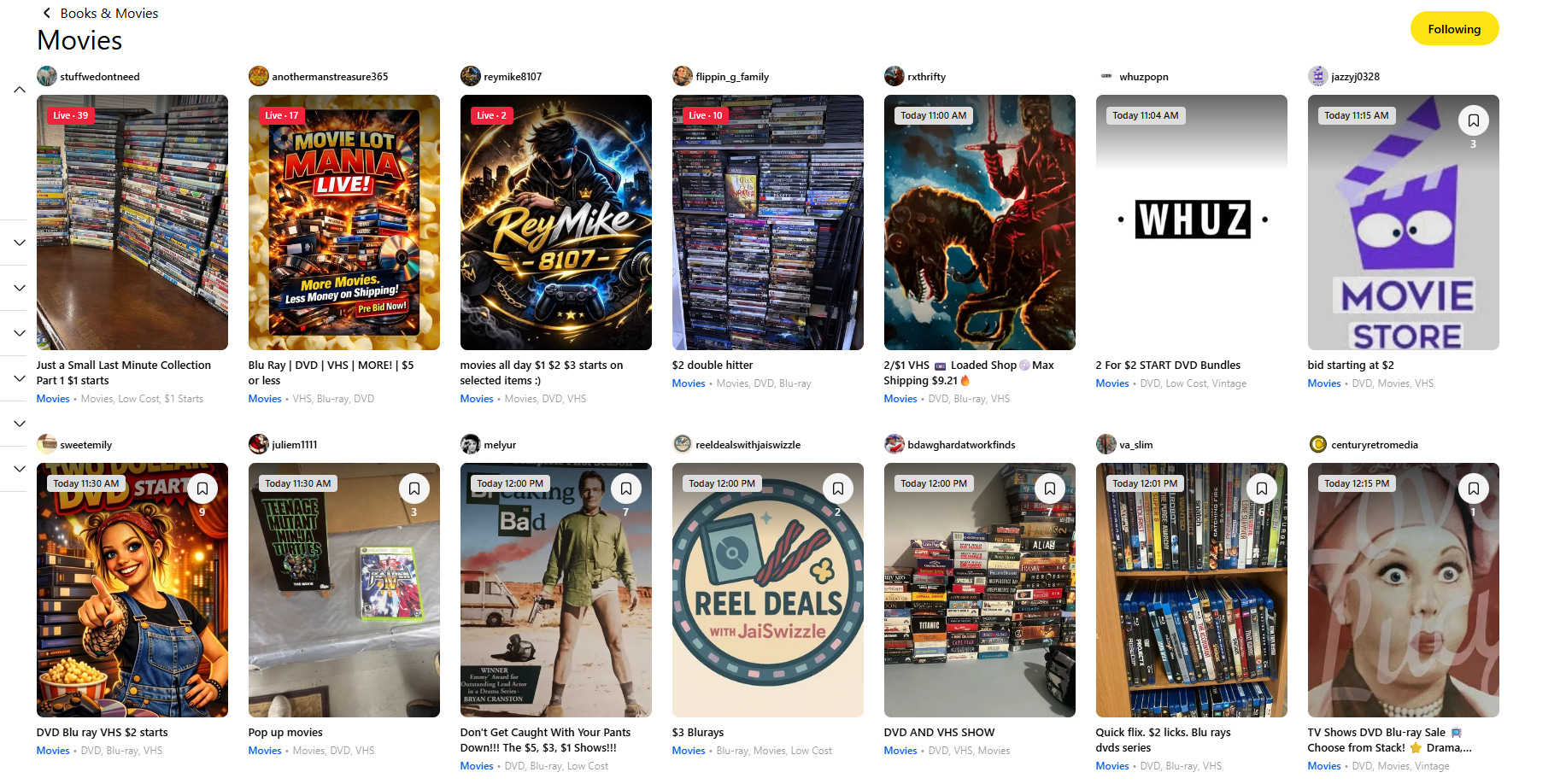
Thrift stores that used to have $1 DVDs sitting ignored for months are now getting picked clean (at least the good movies). VHS titles are selling for real money on eBay. The prices on media have gone up at these stores - supply and demand, an unfortunate side effect - but I will gladly pay a couple dollars more if the enthusiasm is there. The used physical media economy is completely invisible to market researchers but it is absolutely alive to everyone participating in it.
If you wanted to design a marketing campaign to push people back toward physical media, you could not do a better job than the streaming services have already done on their own. The need for infinite growth has started to give consumers sticker shock.
Netflix was $8.99 a month in 2020. The cheapest ad-free plan today is $17.99, and the premium 4K tier is $24.99. Disney+ launched at $6.99 and is now $18.99 for ad-free, which is a 172% increase in under six years. Peacock went from $4.99 to $10.99 at its cheapest tier, which is a 120% jump for a service that spent its first few years struggling to convince people it needed to exist (I am still not sold). HBO Max, Hulu, and Paramount+ have all done the same.
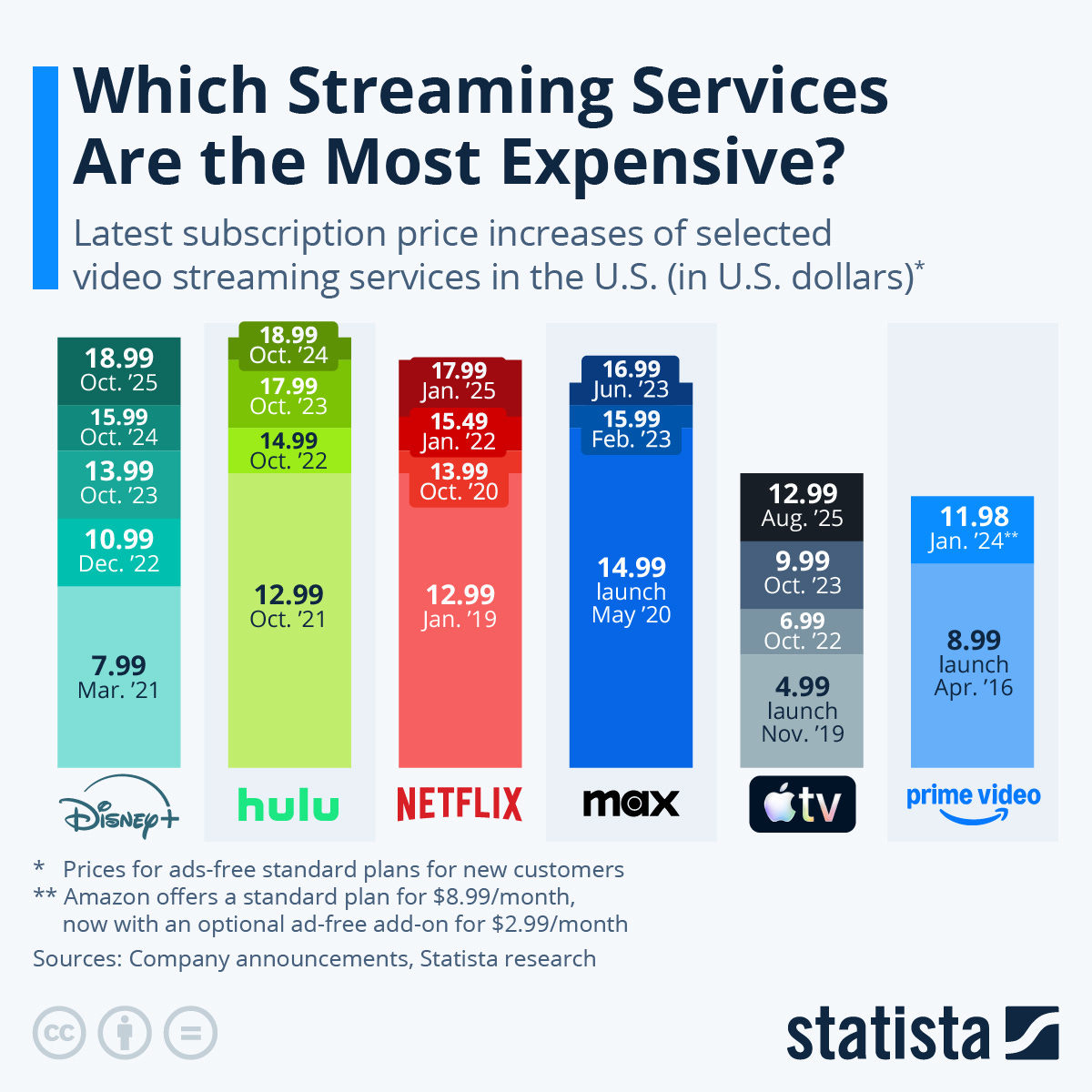
If you subscribe to six major services at their cheapest tiers, you are spending close to $75 a month. Don’t want ads? It is closer to $125 a month. And here is the thing that should bother everyone: you own none of it. The movies and shows get pulled and rotated constantly. Entire series get cancelled, removed, and disappear forever. You are basically just renting temporary access that can be revoked at any time. It is amazing they have managed to survive when other digital media, like e-books and music, are so well consolidated into single platforms with nearly unlimited options.
A used Blu-ray might cost $2, and you own it forever. Nobody can raise the price on it. Nobody can take it away from you. And best of all, it looks and sounds better than any streaming version you are going to find, because even 4K streaming is compressed to a lower level than a standard 1080p Blu-ray. 4K Blu-ray takes it to the next level.
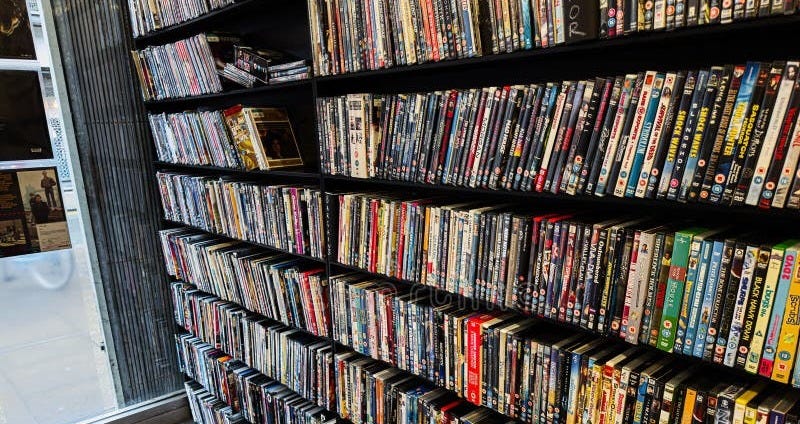
For a generation already getting crushed by housing costs, student loans, inflation, and global economic uncertainty, the math on streaming subscriptions is starting to feel genuinely absurd compared to buying used media for a few dollars at a time.
But the real story is not just about cutting costs, although that matters. I think it is about longing for an era that younger generations never got to experience.
Gen Z grew up in the most algorithmically optimized attention environment ever built. Every platform they have ever used was designed by engineers to make sure they never had to make a choice and never had to stop watching. They barely got the tail end of cable TV before everything became a streaming service with a personalized feed. They never had the experience of renting a movie on a Friday night, or watching the Sunday night movie on cable because it was the only way to see it.
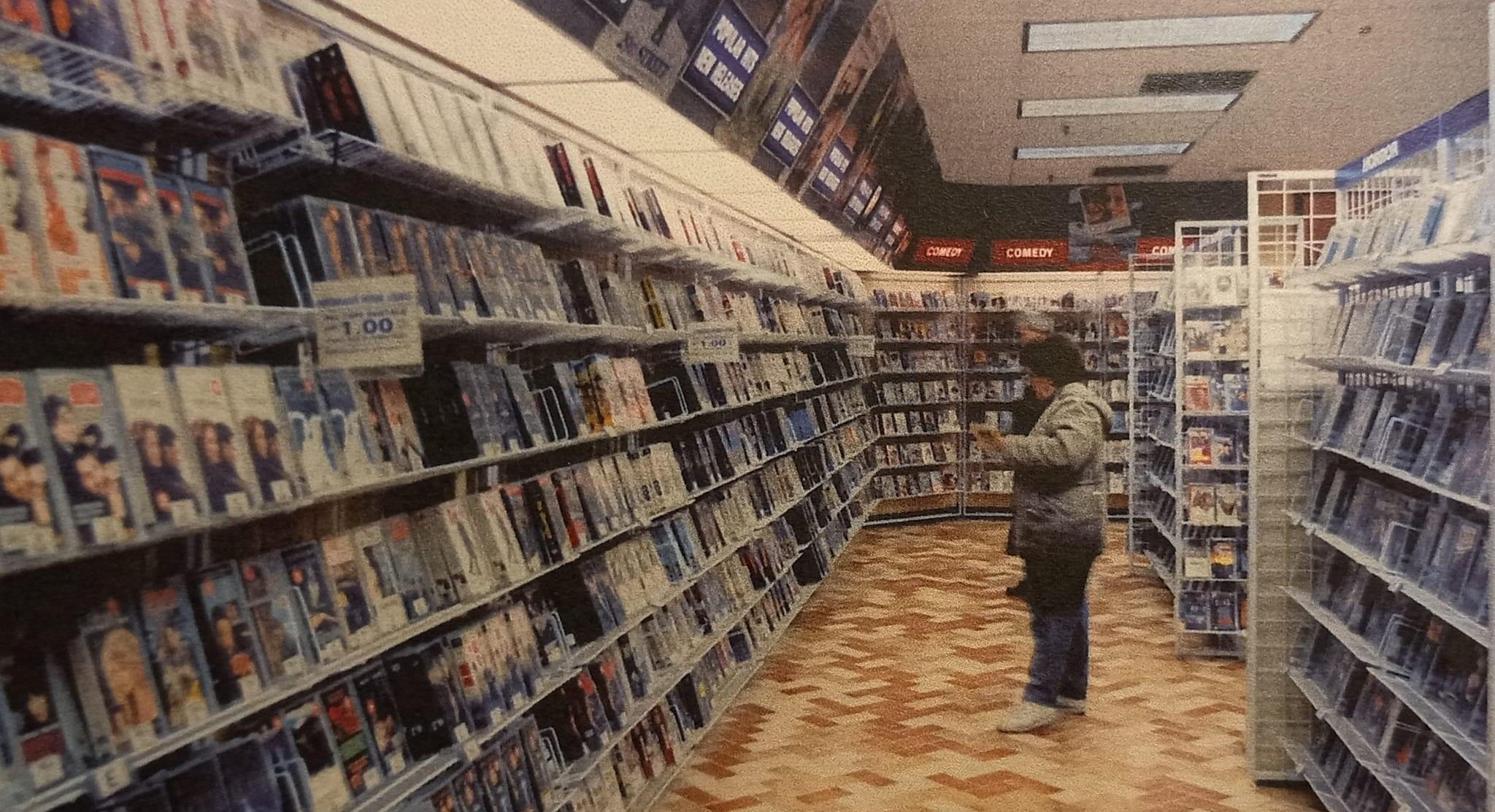
There is a nostalgia here too, but it is a specific kind because it is not someone returning to something they lost. It is someone wanting an experience they never got to have in the first place. These are kids who grew up hearing about going to Blockbuster on a Friday night, browsing shelves full of movies. They hear about a world where your entertainment was not chosen for you - you chose it. They did not get that experience because the world took it away, and now they want it back.
I think about this every time I am at the movie theater and the person most likely to pull out their phone mid-film is the 55 year old in the row ahead of me and not the 22 year old next to me. The generation that grew up with a device in their hand since childhood has, in a lot of cases, developed a healthier relationship with it than those of us who came to it as adults. Buying physical media is an extension of that same impulse control, rejecting algorithms for personal selection and curation.

The vinyl market already showed us this was coming. There have been eighteen consecutive years of record sales growth, driven largely by new Gen Z buyers. Even cassette tapes and CDs are selling well again, both on the used market and for new releases. This pattern is consistent and it is pointing at physical home video being next.
I think this physical media comeback is real and will continue to grow. We are seeing movements in the used market, and growth in the new market with the latest formats. Young people are revolting against this world they were handed and looking for something more meaningful - something more human. That trend is real, and will shift a lot of the way the world thinks about media, consumption, and intentional decision making. As a long-time member of this movement, I welcome them all and applaud them for coming to this important conclusion.
Fantastic!!! Love your posts Jeff!!
Really loved this piece, everything was so well said! I especially like where you mentioned that younger generations are trending towards having a better relationship with technology than older ones. I think on paper this idea feels backwards but time and time again I see more young people making a concerted effort to minimize their screen time, where as their older counterparts are spending all day on Facebook feeding into rage bait content and mindlessly scrolling. Very interesting turn of events.