

My comfort movies are Hereditary, Sinister, and Zodiac. Yes, really.
Horror movies and intense psychological thrillers are two of my favorite film genres. I love the way they give me an adrenaline rush like no other genre can. I also struggle with anxiety, and high-stress situations in my life can really throw me off. It seems like a contradiction, right? Wouldn’t these high stress movies make the anxiety worse? In reality, it’s one of the most calming things I can do after a tough day with a lot of anxious energy.
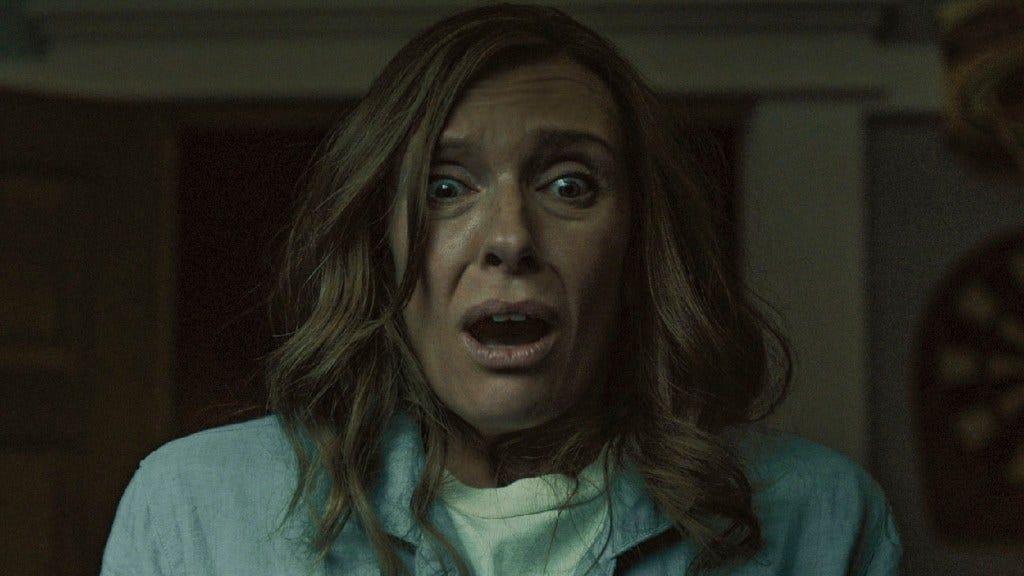
I have been medicated and diagnosed with generalized anxiety for about a decade now. Some days are better than others, but the medication has really helped me out quite a bit to avoid panic attacks and physical symptoms from the anxiety that I was having before. After stressful days, I can still get tightness in my chest, headaches, or just pure fatigue. And on those days, I tend to find a comfort movie — something like Hereditary, or Zodiac, or Sinister. Insane, right? But it works, and I have a theory why, as well as some real science to back it up.
I am not a doctor, so don’t take my advice as medical treatment, but something about the adrenaline rush I get from watching intense movies seems to negate the anxiety symptoms and calm my brain. This is somewhat true for any movie, where the distraction helps to get my mind off of the stress, but it works especially well with films that lock me into their dark storytelling. It’s almost like watching something horrible happening on the screen to someone else makes me feel better about my own situation, in a weird way. It puts things into perspective for me. Like, hey, at least I am not being hunted down by a serial killer, or haunted by generational demons passed down from my grandmother, right?
As it turns out, there might actually be a scientific explanation for what I’ve been experiencing. Researchers at Aarhus University’s Recreational Fear Lab have found that horror movies may provide a context in which people can practice emotional regulation — getting better at managing their own fear and anxiety through engaging with recreational fear. Even more interesting: a study of horror fans found that they reported less psychological distress than non-fans during the COVID-19 lockdowns — suggesting the genre builds a kind of emotional resilience over time.
Some people may refer to those studies as an example of how movies can desensitize people, and that is true to an extent. But if it desensitizes anxious people like myself who are stable enough to realize that this is all fiction, then where is the harm? In my eyes, these movies have given me a bit of a superpower over my brain.
Speaking of the brain, there’s also a neurological explanation for why it works. When watching a horror movie, the amygdala — known as the brain’s fear center — detects those emotions and prepares us for frightening events. Meanwhile, our conscious perception recognizes that the threat isn’t real. This means we can experience intense negative emotions in a controlled environment, which researchers suggest may be useful for managing anxiety. Essentially, your brain gets a workout it didn’t know it needed, and the movies are a great warm up.
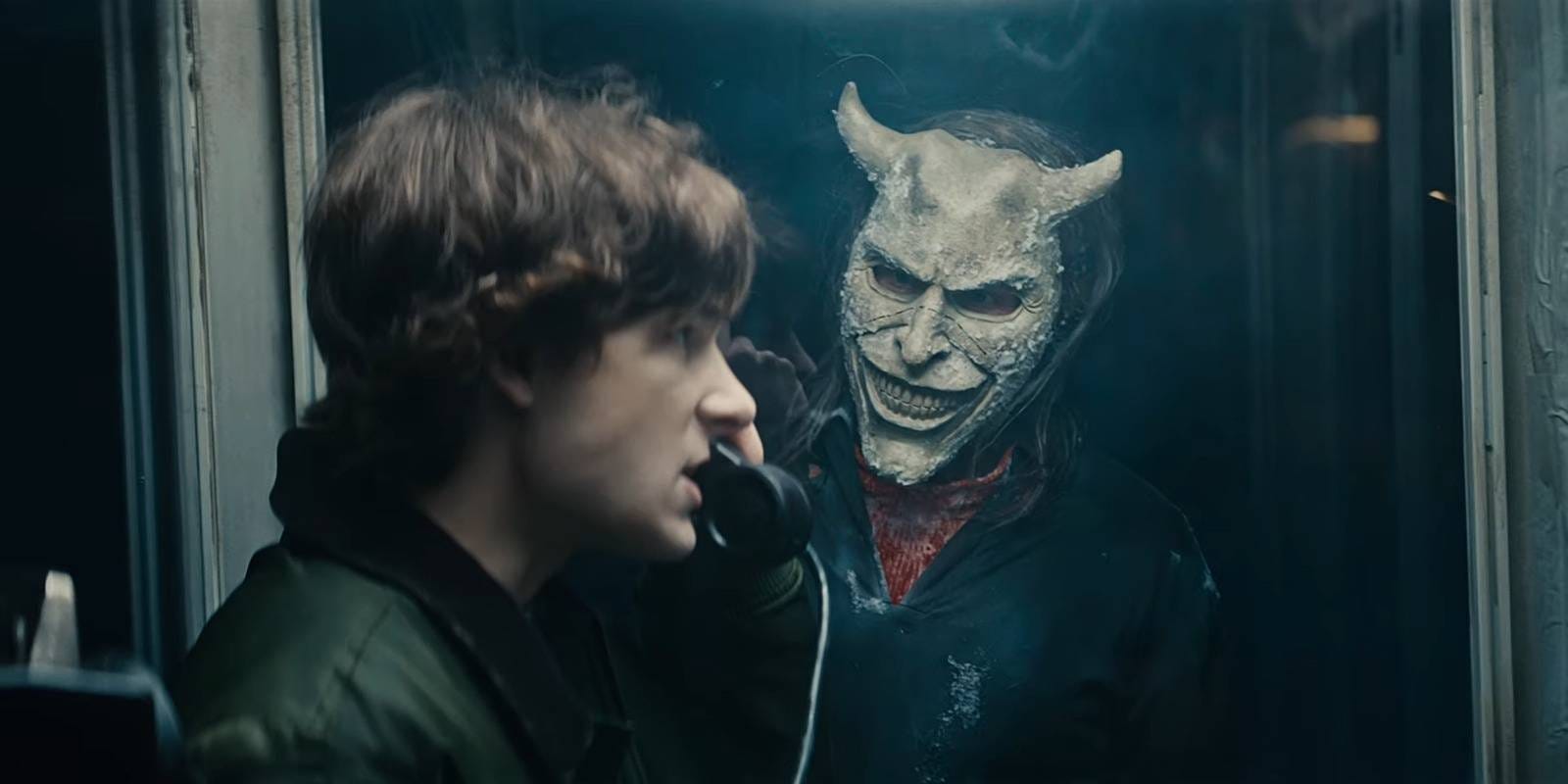
Here’s the part that really resonated with me: researchers have noted that people prone to anxiety seem to be among the most likely to seek out movies with anxiety-inducing plots. That all sounds counterintuitive, but I totally get it! The thinking is that horror gives anxious people a rare, controllable way to engage with fear on their own terms. It is basically exposure therapy in film form. Horror movies offer a highly controllable, repeatable, and predictable way to amplify fear responses. For someone like me and many others whose anxiety often feels random and uncontrollable, that structure can feel grounding.
Outside of the science, I also think that there is something more immersive about these genres, at least for me as a fan of them. Maybe others who are more into comedy, or love a good drama or sci-fi film, experience the same thing. But when I get into a horror movie or a psychological thriller, I lock in. The outside world is gone, and I am in the story. My phone is away, the lights are off — it’s full immersion. And that part is also important. You have to put away the external stressors, turn off the lights, let yourself shut off for a bit, and just dive into a story. Too many people cannot do that at home, but it is truly so important to be able to destress and manage your anxiety.
So maybe it is the horror genre and all these thrillers that keep me on the edge of my seat instead of on the edge of a panic attack. Maybe there is something to watching horrific things happen to fictional characters that makes your brain realize how good you have it. Maybe I sound like a serial killer myself when I say things like that — but I cannot deny that something is happening. Something about these movies is making that shift in my head. And Science seems to agree.
Interesting read. My go to movies are anything with sharks, The Conjuring collection, especially the Nun series and Sinister. Never thought about is as a legitimate release valve.
My version of this is watching THE IRISHMAN to relax :) I watch it at least once a year.