

You will own nothing, and you will like it.
That’s the message being sold to consumers all over the world right now by major corporations and governments. And it’s exactly why physical media, and physical ownership of all of your consumer goods, matters so much.
Public corporations exist to grow. They operate on an infinite growth model — constantly increasing profits to keep shareholders happy. It’s the basic logic of capitalism. But every company has a peak. There are only so many of us out there buying so many things. So they have to find other ways to keep growing, and the easiest way is to move customer onto monthly subscription plans they can raise the price on with the click of a button.
Ownership vs. Access
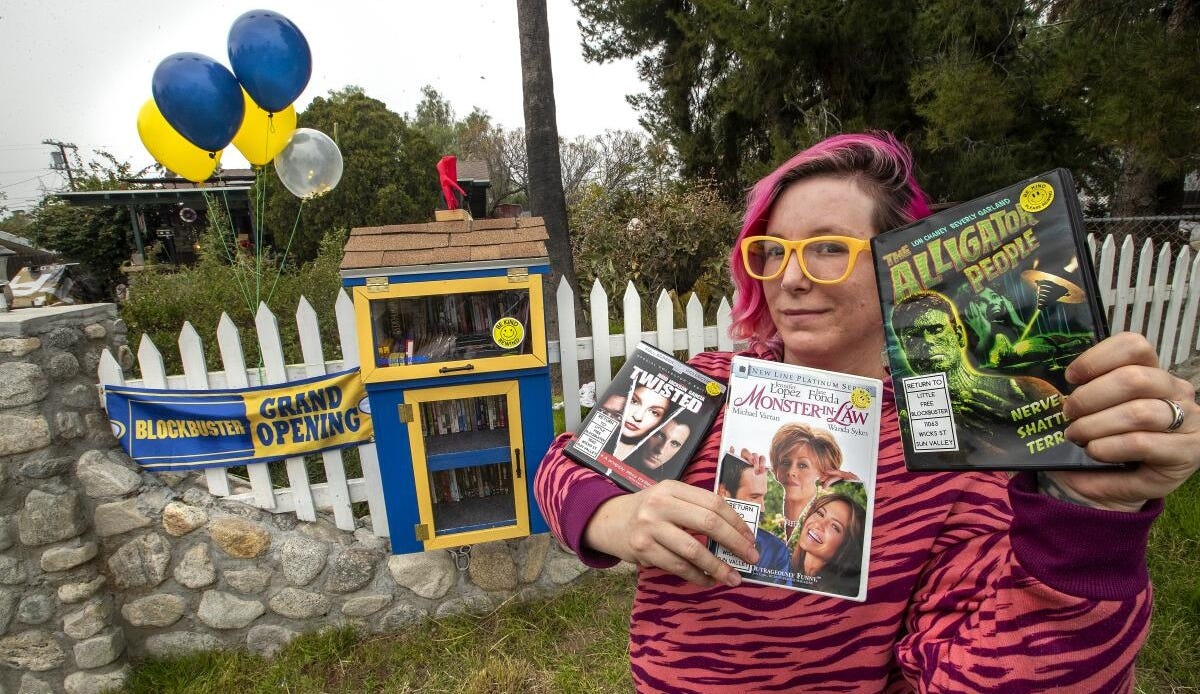
Think about it this way: you buy a movie for $25. The corporation gets its cut of that $25, the retail store gets its cut, and that’s it — the transaction is done. If you’re finished with it, you can resell it on eBay for $10. You can lend it to a friend. It might end up at a thrift store where someone else picks it up for $2. But none of what happens after that initial purchase goes back to the corporation.
That’s what gives us control as consumers. We own it, so we decide what happens to it. We can lend it out, resell it, give it away, or re-use it over and over again forever. The ball is in our court.
Now compare that to how a subscription works. You pay $25 a month for access. You can’t share the password. Sometimes you can’t even use it across every device in your own household. It’s locked down to the point where you have no choice but to keep paying, every single month. And if the corporation decides next quarter that it needs 20% growth, it simply raises the subscription price 20%. They’ve already done the math: they know some percentage of people will cancel, but they’ll come out ahead on everyone who keeps paying. They run the numbers — “we’ll lose X, but we’ll gain Y in profit” — and if Y wins, that’s what they will do.
This is why corporations don’t want you to own anything. In a capitalist system, ownership isn’t growth. Subscriptions are growth. That’s why everything has become a subscription — HelloFresh for food, clothing subscription boxes, every piece of software you use, your phone plan, even the phone itself. Hell you can subscribe to cars now, getting a new vehicle every week. There is almost nothing that has not become a monthly subscription cost. It’s all recurring monthly revenue, because recurring revenue is consistent, and increasing the costs of a recurring subscription plan is a lever companies can pull whenever they want more growth.
I recognize the irony of saying this on a platform like Substack where subscriptions are how writers get paid, but that is why I keep my Substack free to read for everyone. I consider a subscription a donation to my work, not a necessity to access it.
The PlayStation Example
This reasoning is why you’re seeing a company like Sony pull this lever right now. They’ve announced they’re ending physical media for PlayStation starting in 2028. The reasoning is that hardware and game development costs have gotten too expensive. But instead of simply charging a few dollars more per disc, they’d rather eliminate physical media altogether and push everything digital — something that costs them nothing to distribute and that they can revoke from you at any time.
You will own nothing, and you will like it.
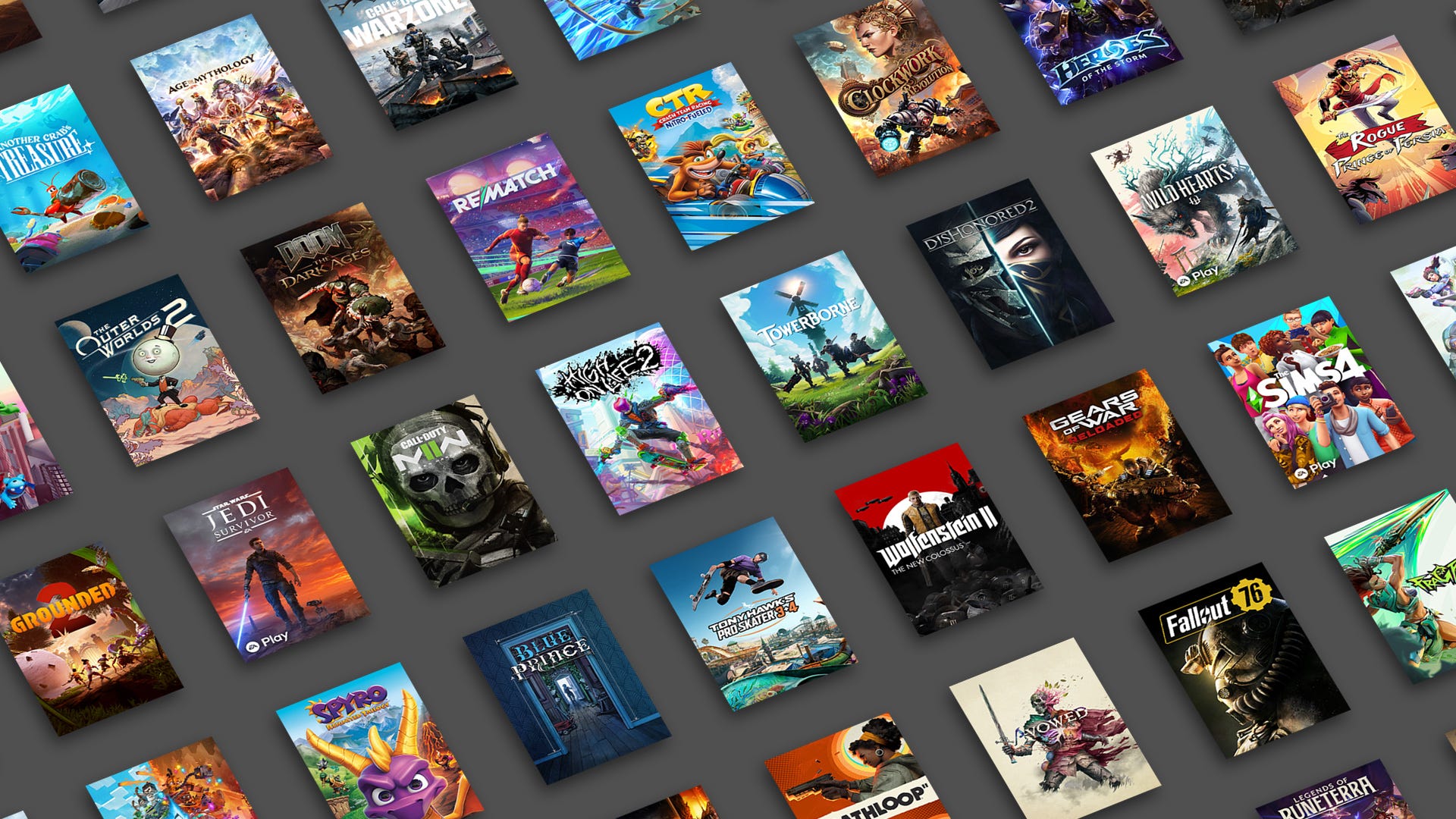
And realistically, gaming is probably headed toward a full subscription model too, the same way Netflix reshaped television. The subscription infrastructure is already there with PlayStation Plus and Xbox Live, but Xbox Game Pass and PlayStation Plus Premium tiers are the real preview of where this is going. Eventually, companies won’t even want you to own the digital games outright. They’ll want a monthly fee for access to a library they control. If they remove a game, sorry! You lose access.
The Gym Membership Model
The sinister part of subscription models is that these companies are also banking on you not using what you’re paying for. It’s the gym membership playbook. You sign up, show up for a month, and then never use it again. Gyms know roughly 67% of gym memberships go unused or barely used. That unused 67% is free money. The people who actually show up every day aren’t the core business. The core business is the people paying every month and rarely, if ever, walking through the door.
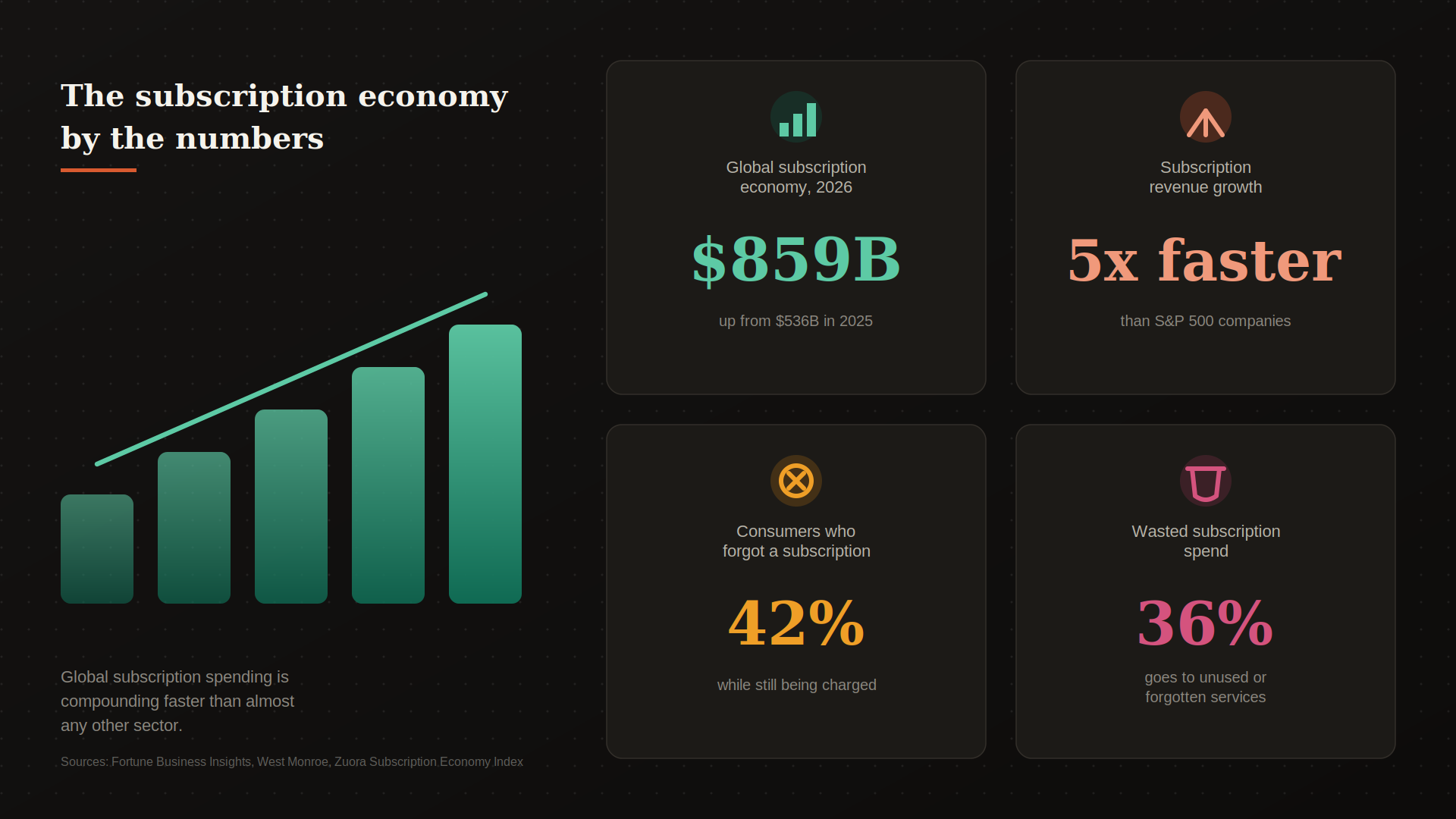
Netflix loves a subscriber who pays $25 a month and watches nothing. That person has no bandwidth costs and no pressure to keep producing content to retain them. They are just pure profit. The same logic applies to PlayStation, software companies, meal kits, clothing subscriptions, anyone running a subscription model. Their best-case customer is someone who forgets they’re even paying, keeps getting billed, and never costs them a dime in actual usage.
How messed up is that?
We Still Hold the Power
Here’s the good news: we live in a capitalist society, which means consumers are the ones who actually run this system. None of these companies do anything without us. If we stop giving them the money, they have to change. If we cancel subscriptions, if we refuse to buy digital products we don’t actually own, they have to adjust to protect their growth. We have to hit them where it hurts — in their earnings reports.
The only way this changes is if people push back against the idea that we should own nothing and be happy about it. I’ll admit, this is harder in some areas than others — you can’t exactly opt out of housing and refuse to pay rent. But in plenty of other areas, we have real leverage as consumers to push back.
This isn’t a lost cause. We don’t have to just sit here, pay the subscriptions, and complain. Cancel them if you don’t use them. Buy your own movies, music, books, and video games. Own things. Show these corporations that this isn’t the future we’re willing to accept, and that it’s not how they win.
Winning looks like working with consumers. We need a balanced system that works for everyone, with a real back-and-forth built on mutual respect. Right now, it’s entirely one-sided. That has to change.
This is such an important piece. And you wrote yet another excellent article, Jeff.
This ownership vs. subscription problem is why I've nearly sworn off streaming services. 95% of my home viewing money now goes to physical media. One or two months a year, I'll subscribe to a couple of streaming platforms to catch up on what interests me most, and so that I'm not totally out of the loop. But that's it.
I read someone say that in 2026, every purchase of physical media is an act of rebellion. I agree. Corporations want to take away ownership, choice, and quality from us. Screw that.
Owning art in physical form is crucial. Keep fighting the good fight.
This has been a trend across corporations. Apple provided digital albums then Apple Music in the changing music consumption market post Napster. Physical albums have recovered but are now niche and the pricing reflects the popularity of vinyl but most people still stream.
My local Walmarts both scaled back their physical media sections to almost nothing, for movies, games and vinyl records. Goodwill removed their media section from the store closest to me. Now PlayStation has declared no more discs.
I am always a gen behind on gaming so I’m rolling with a PS4 still but how long before they make it so it’s unusable? I’ve got all of the systems from PS1-4 and can easily fall back on the classics if they actually go through with it.
I’ve been buying 4Ks for about a year but not from my local stores. Sellers on WhatNot, Amazon and Criterion (when there are sales) are where 90% of them have come from. 4Ks are rarely stocked at my local Walmarts.
There are the boutique labels that have really great versions but like vinyl records the pricing reflects the more collectible side of things. I buy movies to watch them. I’ve gone back to VHS because I have a player and it’s affordable.