

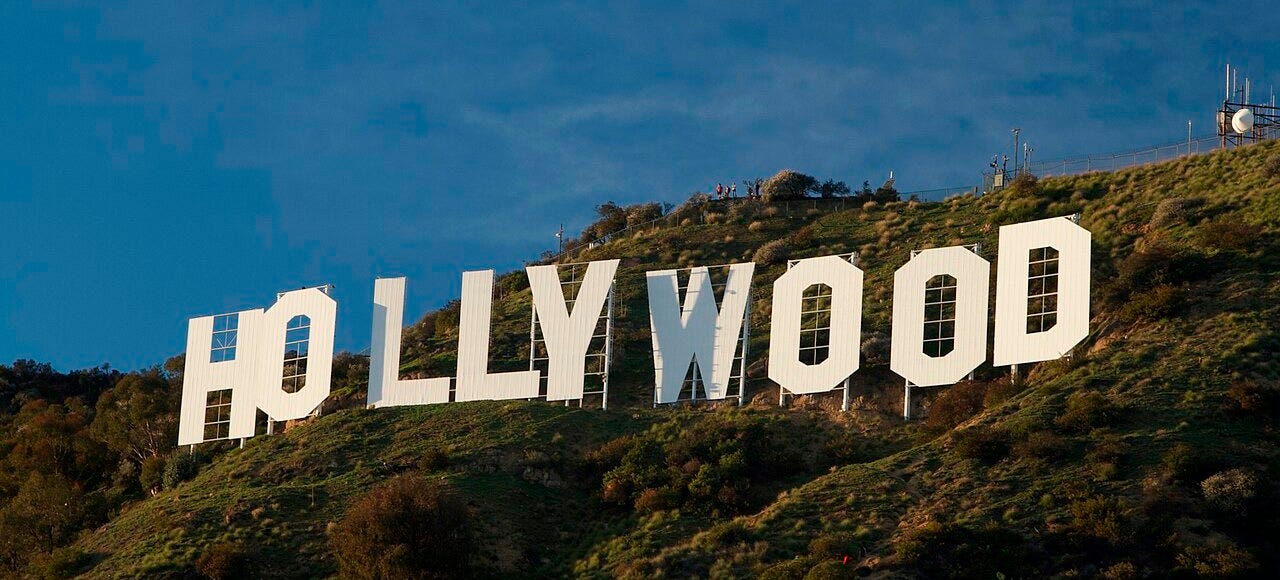
There’s a growing disconnect between Hollywood’s largest studios and the culture they’re trying to reflect.
The problem isn’t that Hollywood is run by older people. Every industry has older leaders. Music labels have veteran executives. Publishing houses have experienced editors. Television networks are filled with people who have been around for decades. The difference is that those industries generally seem capable of adapting to cultural shifts as they’re happening.
Hollywood feels like it’s operating five to ten years behind the rest of society.
You can see it in the movies getting greenlit. You can see it in the stories being told. And you can see it in the assumptions those movies make about how people live, communicate, consume media, and understand the world around them.
Hollywood is filled with talented directors, writers, actors, producers, and craftspeople. The issue is not with them, its an institutional problem. The larger a studio becomes, the more layers of decision-making get added between a creative idea and the audience. By the time a movie reaches theaters, it often feels like it’s responding to a version of culture that no longer exists.
I kept thinking about this while watching Toy Story 5.
The film’s central conflict revolves around children’s relationship with screens and technology. That’s not a bad idea, but it feels strangely delayed. The children who first grew up with iPads are now old enough to be bringing their own kids to Toy Story movies. The debate over whether screens belong in children’s lives isn’t new anymore. We’ve been having that conversation for well over a decade.
The more relevant question today isn’t whether technology is good or bad, but it’s how we balance it. Screens aren’t going anywhere - that conversation is over. They’re a part of modern life. Parents, teachers, and kids are navigating questions of moderation, socialization, and healthy relationships with technology, not debating whether technology should exist at all.
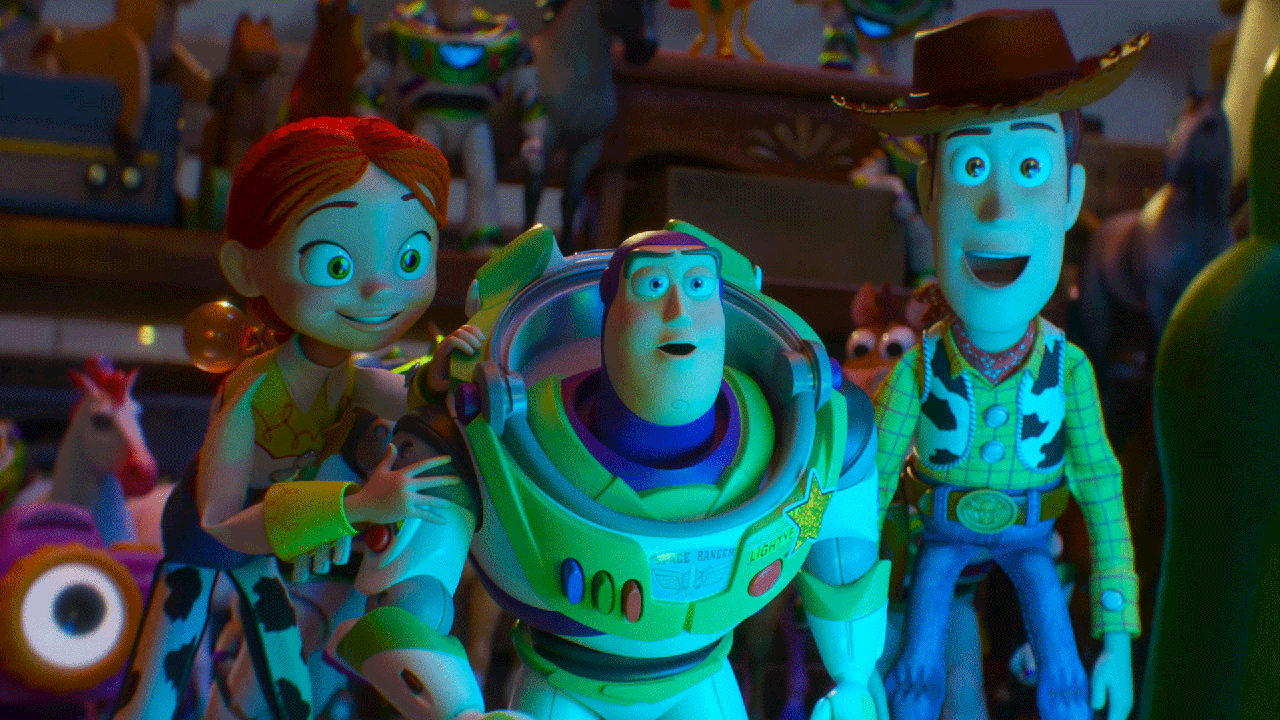
It also misses what feels like the far more obvious technological conversation of the last few years: artificial intelligence. Whether people are excited by AI or terrified of it, it’s one of the defining issues of the moment. If Toy Story wanted to explore technology’s relationship with childhood, creativity, and imagination, AI seems like the natural place to start. But again, they were 5-10 years behind the ball.
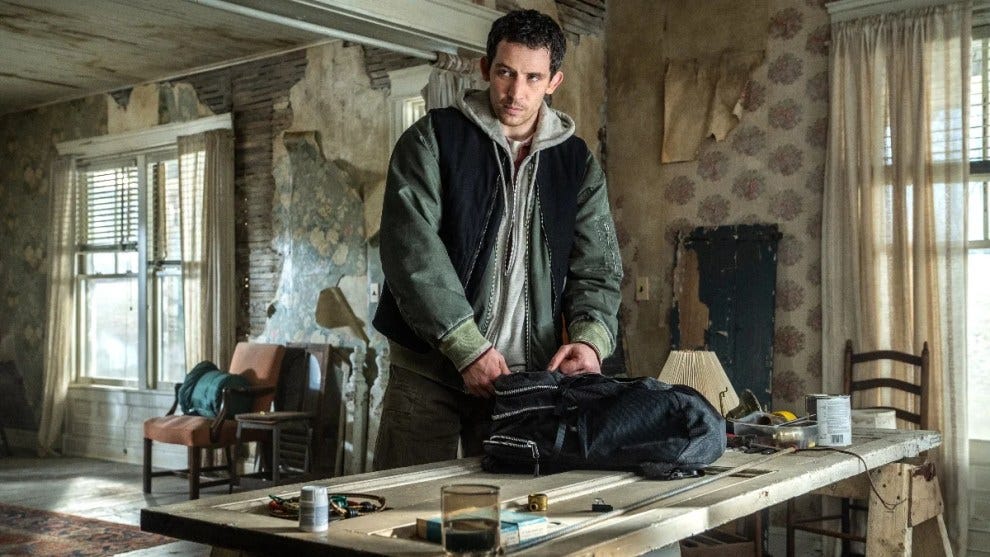
The same thing happened with Disclosure Day.
I enjoyed the movie. Spielberg is one of the greatest filmmakers to ever do it. He can still direct spectacle better than almost anyone alive. But the entire premise felt like something that would have been cutting-edge in 2006.
Spoilers ahead…
The major plot point revolves around getting evidence of alien disclosure to a television news station. Twenty years ago, that would have made perfect sense. Today, it feels almost impossible to imagine.
If someone had legitimate proof of extraterrestrial life tomorrow, it wouldn’t break through traditional media first. It would hit YouTube, TikTok, Twitch, Reddit, X, and a dozen other platforms before a television producer had even scheduled a segment. Then the news networks would report on the fact that it was already spreading online.
That’s how the spread of information works now. It’s worked that way for years. Look at WikiLeaks, Snowden and the NSA, the Epstein Files. We learn about new wars through TikTok videos from civilians on location before it ever hits CNN or BBC.
The movie isn’t bad because of this. It’s still entertaining. But it reveals the same underlying problem: Hollywood is still telling stories based on assumptions about society that are increasingly outdated.
Even some of the broader themes feel rooted in an earlier era. Secret government agencies hiding aliens in underground facilities for decades is a concept we’ve seen countless times before. Meanwhile, public conversations around unidentified aerial phenomena, disclosure, and non-human intelligence have become significantly more complicated and interesting than they were twenty years ago. There was an opportunity to engage with those newer ideas, but instead, the film largely falls back on familiar territory.
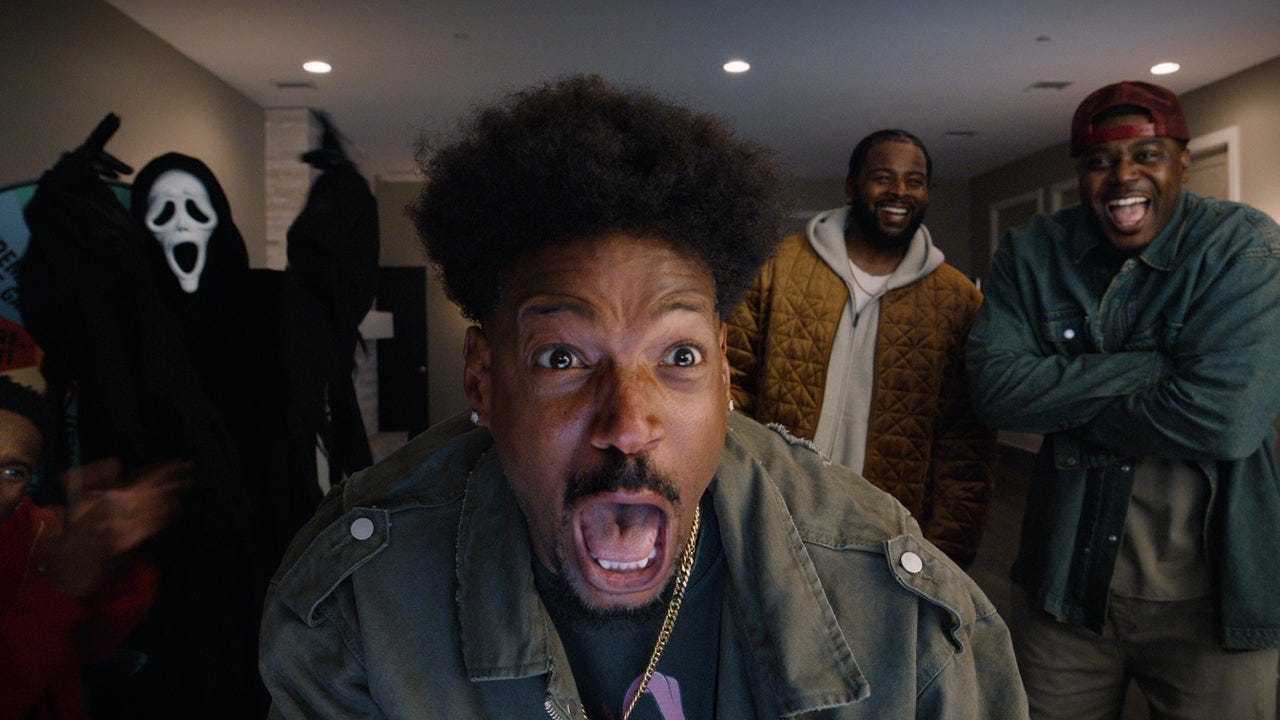
Then there’s Scary Movie 6.
I don’t think the problem is that it’s “offensive” or “edgy”. Nothing in that movie offended me. The formula simply hasn’t evolved much since the early 2000s. The movie still seems to operate under the assumption that shock value alone is enough to generate laughs.
Defenders of this movie will say its because younger audiences are overly sensitive. They can’t handle this cutting edge comedy. But that’s not it. It’s because comedy comedy has changed dramatically over the last two decades, and Scary Movie did not.
The comedians and creators defining the current era aren’t relying on the same tools. People like Tim Robinson, Nathan Fielder, Tim Heidecker, Bo Burnham, Ayo Edebiri, Sarah Sherman, and Rachel Sennott understand that modern comedy often comes from awkwardness, specificity, absurdity, social observation, and self-awareness. The humor reflects the internet age, media saturation, and the weirdness of modern life.
Scary Movie 6 still has moments that work. It’ll make its money. Most of these movies will. But it feels designed for a version of comedy that stopped being culturally dominant years ago.
What’s interesting is that this problem feels particularly severe in film.
Television has undergone a creative renaissance. Music constantly discovers and elevates new voices. Publishing continues to find younger writers and fresh perspectives. Even social media, for all its flaws, has become remarkably effective at identifying emerging talent and cultural trends.
Hollywood, by comparison, often feels much slower.
Part of that is simply the nature of the business. Movies take years to develop, finance, produce, market, and release. Large budgets create risk aversion for studios. Franchises dominate studio slates because they are familiar. Executives want easy, familiar, revenue-guaranteed projects. It’s boring - but its the system at work.
That’s why some of the most interesting work in film is increasingly coming from outside the traditional studio system. Indie distributors and smaller studio arms like Blumhouse, NEON, A24, Focus Features, and Searchlight have built reputations by backing filmmakers earlier from festival buys, taking creative risks, and paying attention to where audiences are heading rather than where they’ve already been. It was telling that in 2026, the Cannes Film Festival had no major studio releases. This is a new world, and the smaller distributors are the ones who are leading the charge.
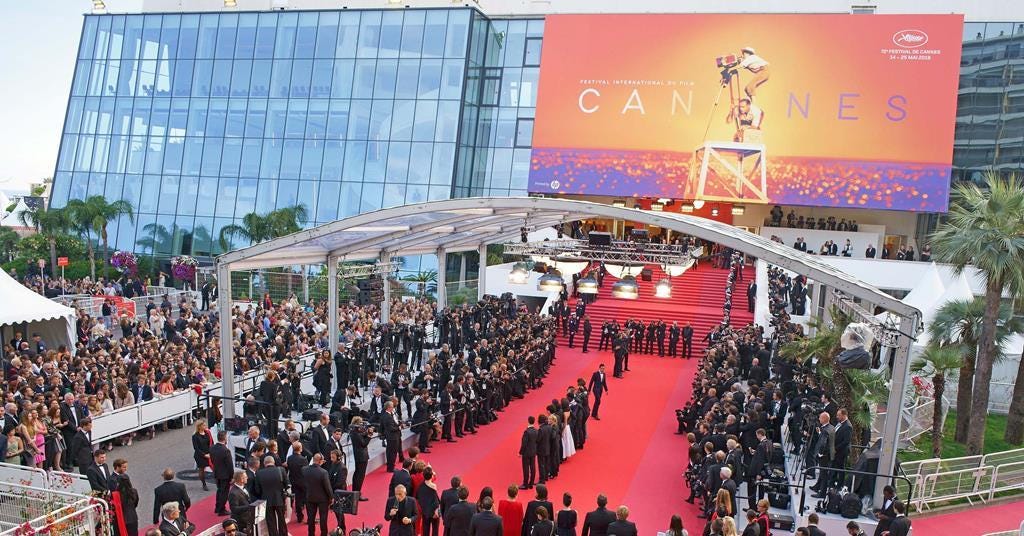
Meanwhile, many of the major studios remain heavily dependent on sequels, remakes, reboots, and familiar intellectual property. There’s nothing inherently wrong with that — some of those movies are great, like The Naked Gun reboot that captured modern comedy sensibilities and nailed an IP — but it does raise a question: when was the last time one of the major studios truly changed the culture?
Not with a box office record or a quarterly earnings report, but creatively.
When Disney released Snow White and The Lion King, those films were trendsetters Today, the largest studios often feel more focused on preserving existing brands than creating the next generation of them.
Audiences haven’t fallen out of love with movies. If anything, people are hungry for stories that feel relevant, surprising, and connected to the world they’re actually living in. That’s why films from smaller studios so often break through. They don’t feel like they’re responding to a cultural moment from five years ago.
Hollywood has reinvented itself before, and it’ll probably do it again. But right now, some of the most influential people in the industry seem to be spending their time catching up to where culture was, while younger filmmakers and audiences are already moving on to what’s next.
ipads came out in 2010 - the first kids who grew up with them are barely in high school. They are not bringing kids of their own to see Toy Story 5.
Wasn't it just last year we were celebrating warner brothers hot streak of original films?