

Netflix has won the initial bid to buy Warner Brothers in a massive $82.7 billion deal, and honestly, this is one of the biggest shakeups the industry has ever seen. The largest streaming service on the planet is now set to own the longest running movie studio in Hollywood along with one of the most important streaming services in MAX. They’d get HBO and its entire catalog. That alone is unreal, with The Sopranos, Game of Thrones, Succession, and the long list of massively successful HBO shows. Add in Harry Potter,, The DC Universe, Middle Earth, Lord of the Rings, Rocky, A Nightmare on Elm Street, King Kong, and on and on. It is a staggering amount of power under one roof.
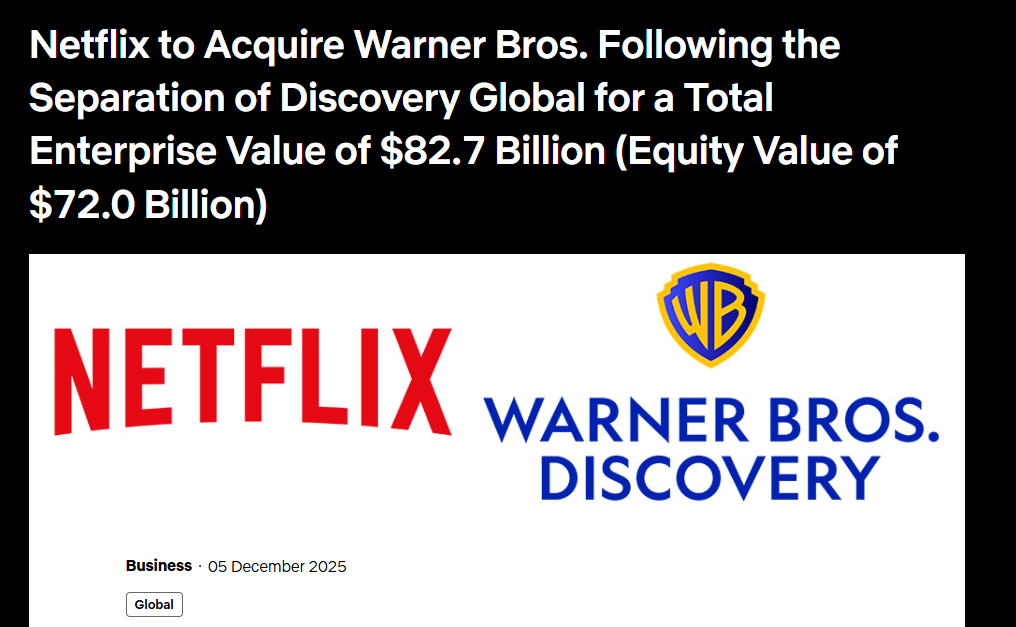
What struck me initially is that Netflix only bid for the Warner Brothers properties. They left Discovery out of it. So they are not acquiring all the TV networks, the reality content, or the big news operations like CNN. That part surprised me. I really thought they would want Discovery, especially for the sheer volume of content and live TV angles. But honestly, I’m glad it wasn’t included. This deal is already a monopoly level situation, and if they took Discovery as well, it would be even worse.
And that is the core problem here. This feels like a moment where someone needs to step in. Congress and regulators have a moment to show the world that monopolies are still not allowed. A company this large should not be allowed to swallow one of the last few remaining major studios without serious scrutiny. But I’m not convinced our government is capable of doing anything meaningful when billionaire influence is involved. Let’s be honest - we all know that the billionaires essentially own the folks in charge, regardless of the political party. Deals like this get waved through all the time so that those re-election funds keep growing. But in this case it is so obvious that this is not good for business, for creativity, or for competition, that I am not sure they can let it slide.
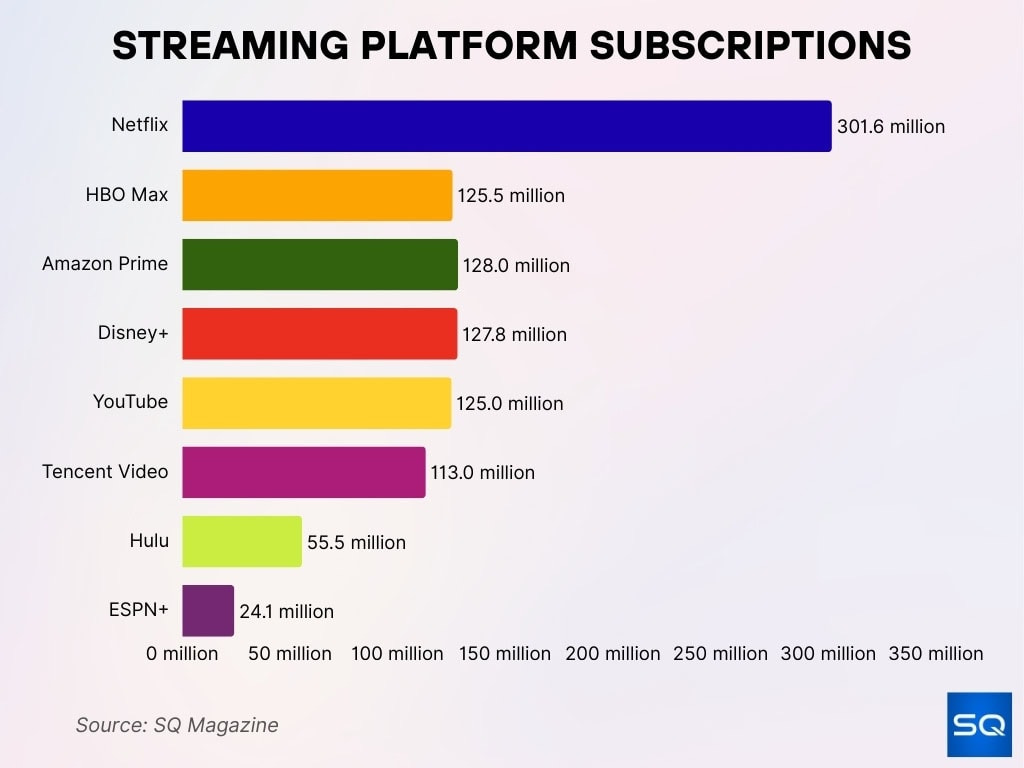
Netflix was already enormous, the biggest streaming service by far with over 150 million more subscribers than their closest competitor. With Warner under their umbrella they would be unstoppable. I’d go as far as saying that, from a Hollywood standpoint, not counting live sports or the TV networks Disney owns, Netflix would become the single most powerful entertainment company overnight. If this goes through, they run the game.
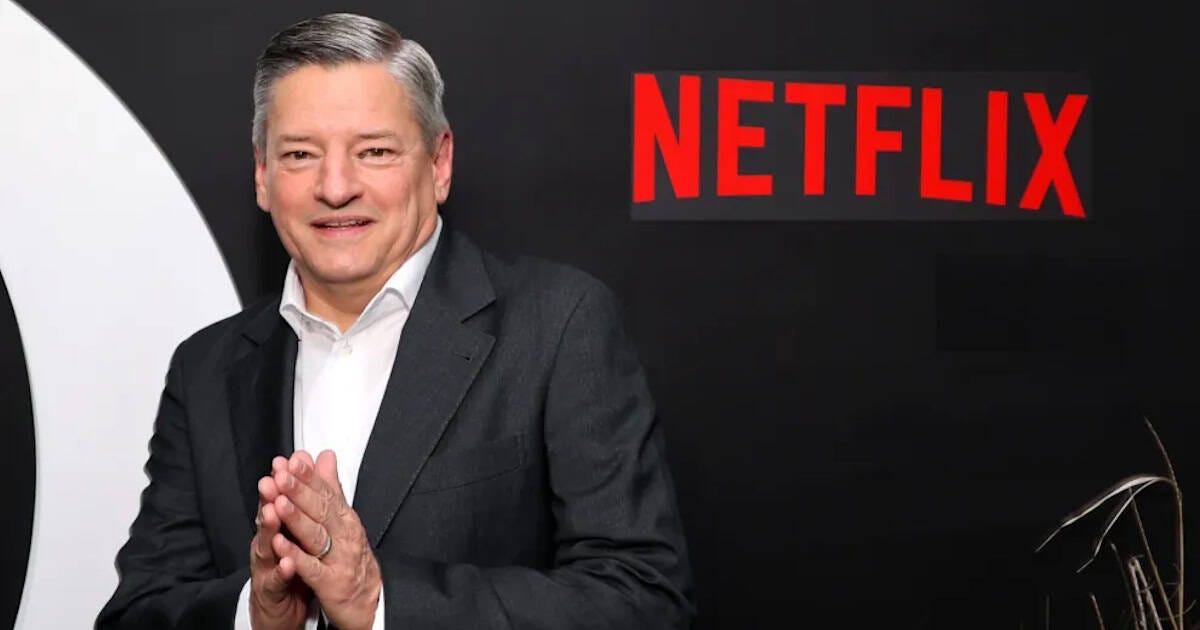
Beyond the competition angle, my concern really sits with what happens to Warner Brothers and their properties. Netflix says they will continue theatrical distribution with this deal, even as their CEO Ted Sarandos was quoted within the last year saying “the theatrical model is dead.” They say they want Warner to continue with the big releases on the big screen. But when a company grows this large, those promises become harder to trust. Streaming and subscriptions are their lifeblood. They are a subscription company first, and a movie studio second. If they can turn Batman, Harry Potter, Dune, Superman, and every other major franchise into a direct subscription driver, they will do it. And the first way to do that is by shortening theatrical windows or pulling movies quickly to their platform.
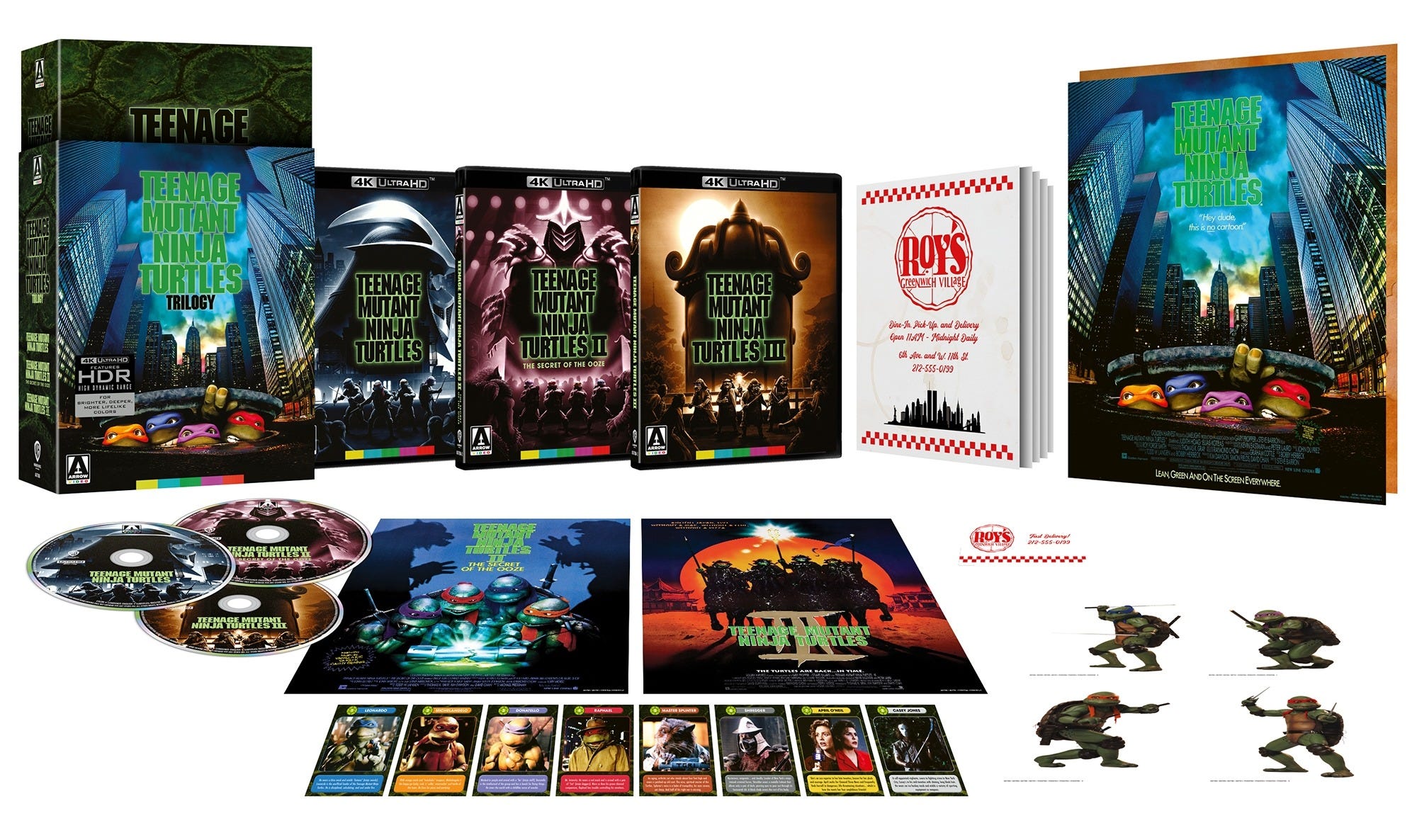
Physical media gets caught in this crossfire too. SDS currently handles home entertainment distribution for both Warner and Universal in a joint venture. If Netflix acquires Warner Brothers, that deal could fall apart overnight. Physical media collectors know that Netflix has shown no real interest in physical media. My hope is that they would at least license titles out to boutique labels like Arrow, Criterion, Kino Lorber, Vinegar Syndrome, and so on. That’s where I personally see the future of physical media going anyway, with more focused care from niche companies that do this well instead of the mass manufactured studio model.
But if the SDS partnership continues and GRUV keeps doing what they’re doing, maybe nothing changes. It really depends on how much Netflix values that small part of the business. They might leave it alone, or they might kill it entirely to push streaming even harder. The only safety net here is creators with power. Guillermo del Toro is getting a physical release for Frankenstein because he demanded it. Other directors and producers will need to step up and do the same. They have to fight for their films and they have to use their leverage.
That brings me to the one group that can still shift the future of all this - the people who make the movies.
If directors, producers, actors, and writers unite around theatrical windows and physical releases, they can actually force change. Nothing happens without their creative output. But it has to come from the heavy hitters. A small indie director has no leverage here. But if Nolan or Tarantino or PTA or Denis Villeneuve plant their flag and say the next movie only goes to a studio that guarantees a ninety day theatrical window, then Netflix/WB will have no choice but to work with them. If Netflix will not budge, those directors can walk to Universal, Disney, A24, NEON, Mubi, whoever. This creates opportunities for the companies that still value theaters. They can steal talent from the studio system by committing to a theatrical first model.

So, what do I think actually happens with the acquisition? Honestly, I don’t think it goes through. I don’t think the Paramount deal would go through either. I don’t think Comcast would get approved. Warner Brothers is simply too big to be sold to another giant entertainment company without creating massive antitrust problems. Regulators might actually do something for once, or at least they might drag this out until it collapses. That feels like the most realistic outcome at this point in my eyes.
If that happens, Warner will have to rethink its future. Maybe they break the company apart. Maybe they sell the Discovery brands separately. Maybe they sell off individual franchises. Or maybe they look for a buyer outside of entertainment entirely, which honestly feels like the cleanest path forward because it avoids this monopoly nightmare. As long as they stay away from Saudi funds (the potential for censorship scares me quite a bit with those investments), making some large equity firm even larger might be the only way that Warner Brothers gets sold without a massive hit to competition.
But I do not see any world where Comcast, Paramount, or Netflix gets to swallow up Warner Brothers as is. Not without severe consequences. Either Congress actually enforces the antitrust laws that already exist or Hollywood is in real trouble.
So the question is, do you trust the government to do anything about it? Eh, not really. Not these days with with how much money influences every decision. And that is just the money we actually know about. But I still want to be hopeful that someone steps up before Hollywood becomes one giant subscription service with a single company running the show. When movies become revenue drivers for subscription sales instead of art, we all lose.
Boy, I miss Lina Khan... At least Zohran Mamdani's benefitting from her as part of his mayoral transitional team.
How does it affect us?
Good thing is I’m in trading - don’t use any streaming services.